
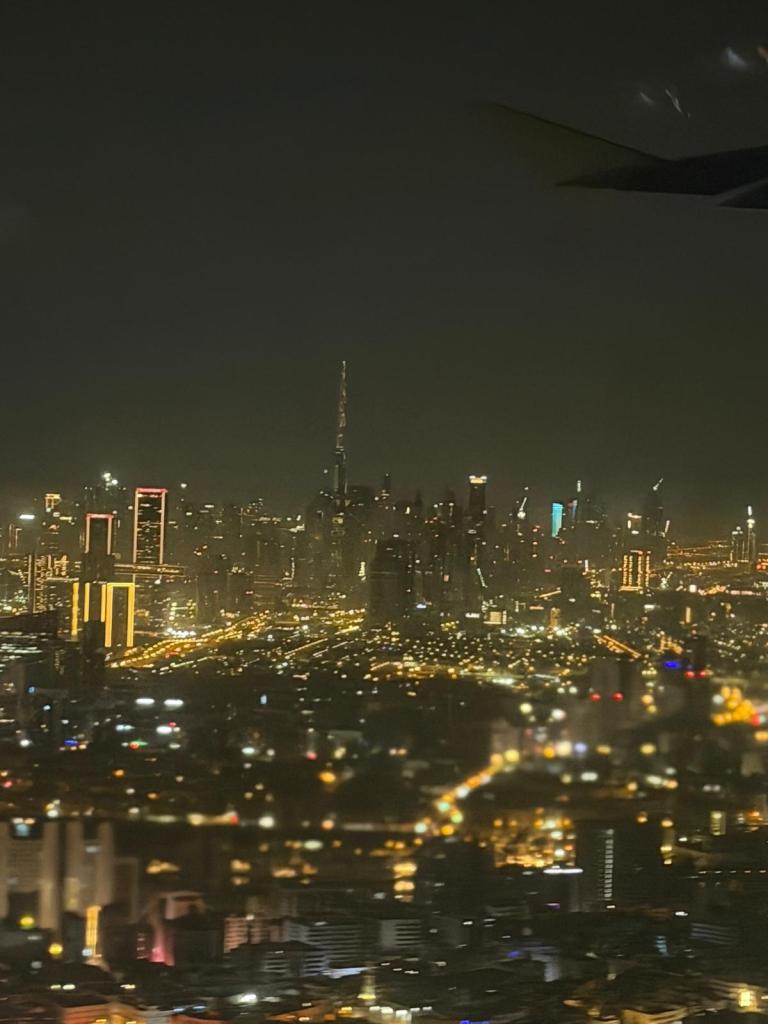
A perfect start to the trip was provided when the flight from Dubai to Tokyo offered a fantastic view of the Burj Khalifa at night from the aeroplane window.
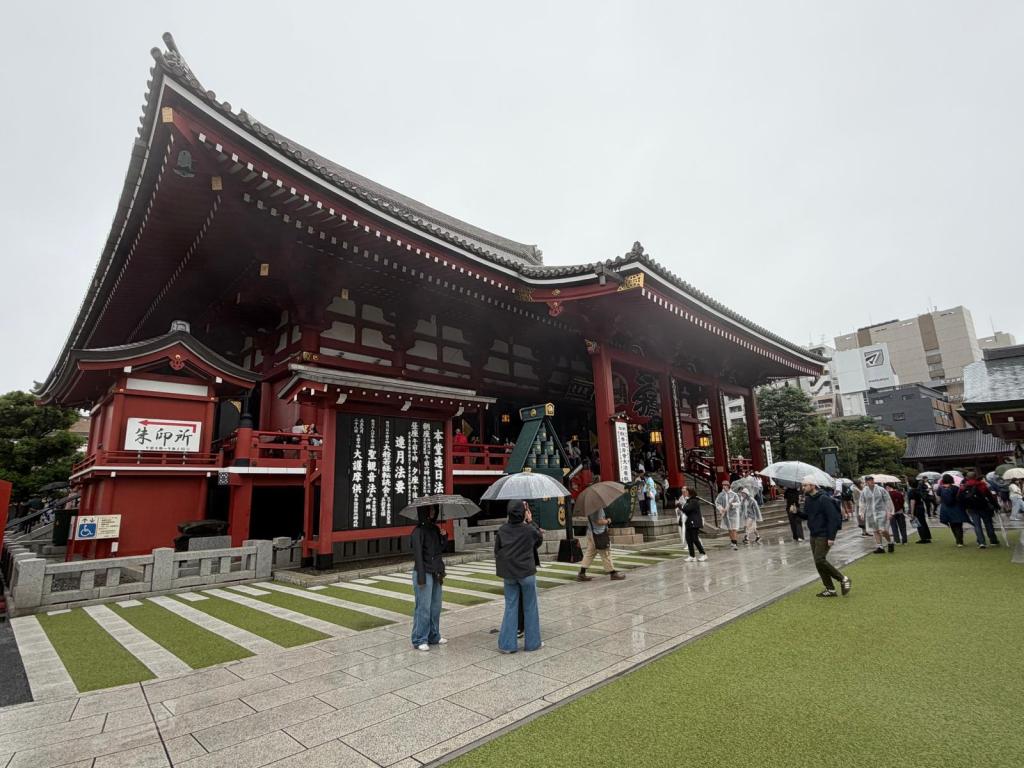
On our first day in Tokyo we initially headed for the most famous temple there known as Senso-ji. It is a Buddhist temple where you can buy charms for everything from traffic safety to success in work and career. There is also a water fountain to wash your hands and rinse your mouth before entering the temple.
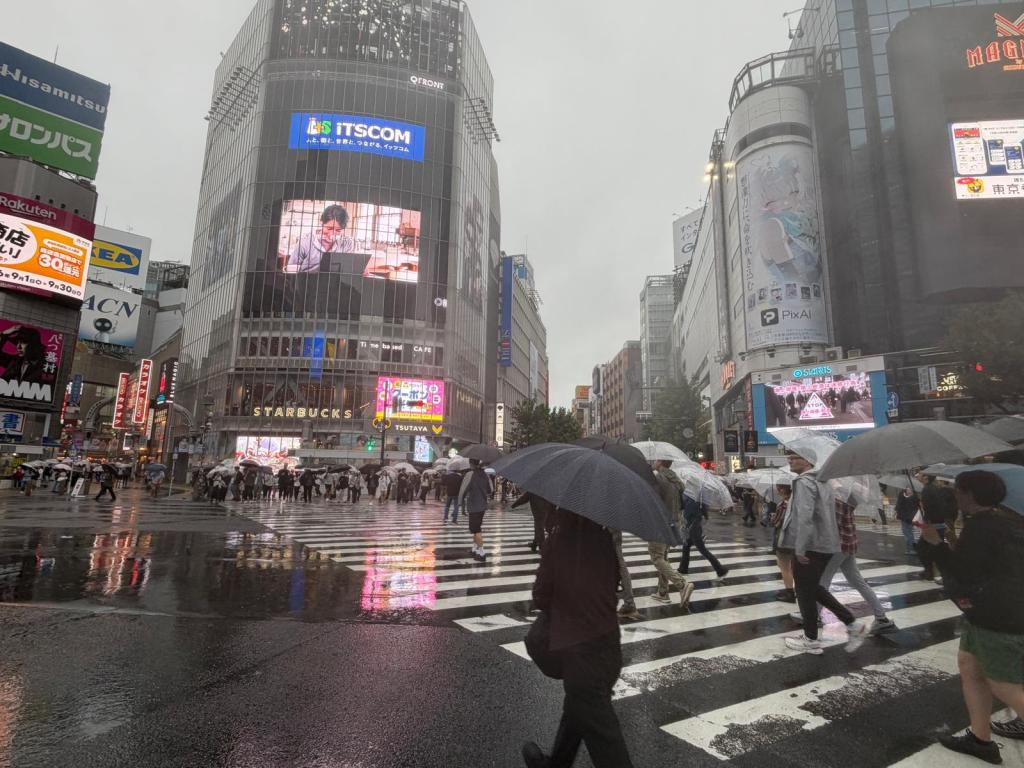
Then it was on to the imposing Shibuya Crossing. A typhoon was nearby at this point triggering mobile phone warnings and the very wet scenes below.
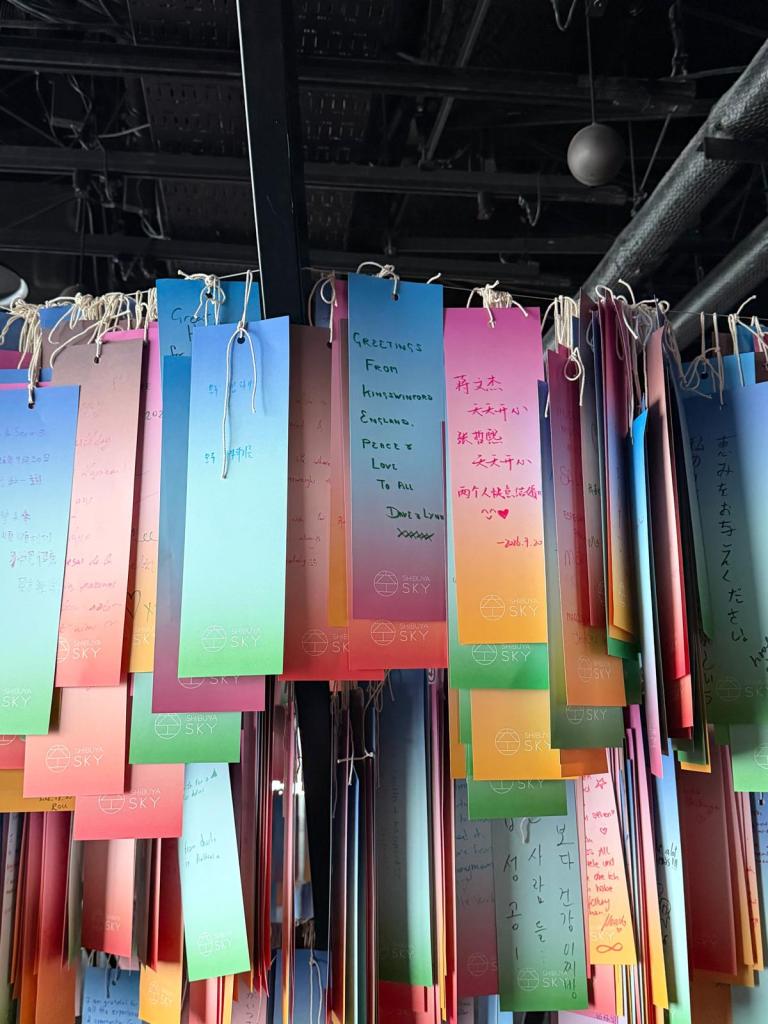
Shibuya Sky was where we were hoping to look out over Tokyo in the afternoon. Although the typhoon didn’t reach as far as central Tokyo the associated rain made it impossible to see out of the tower windows. We had to settle for a drink and leaving a message there instead.
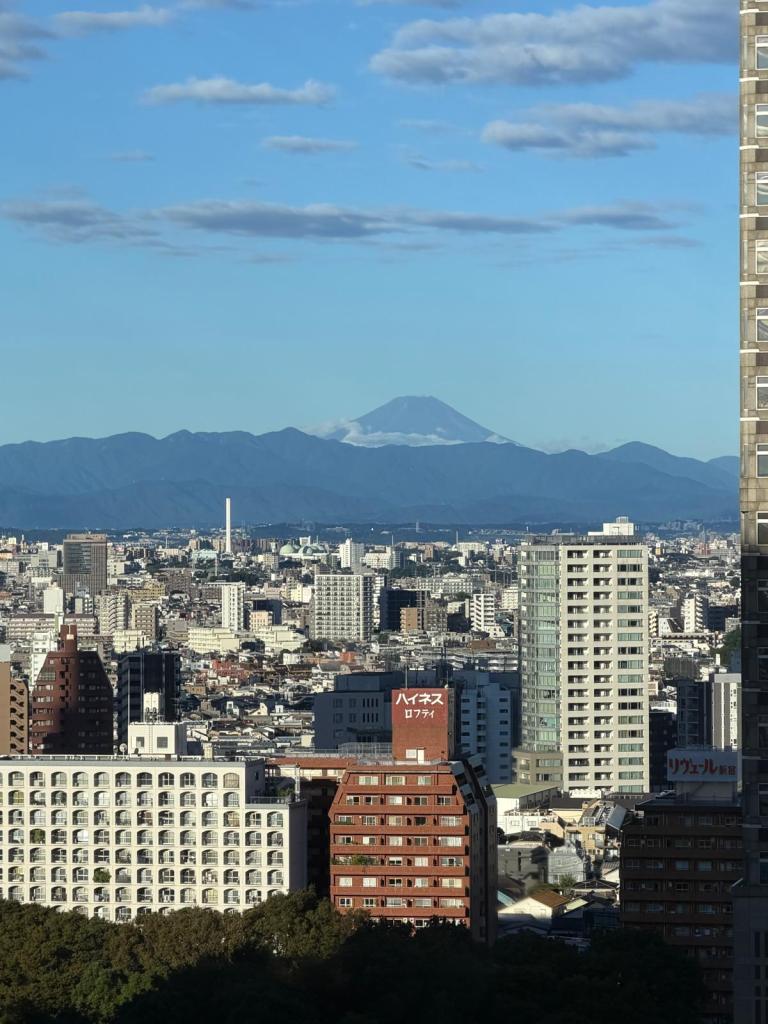
When the weather had cleared the following morning our hotel room (in Keio Plaza) ultimately provided one of the best views of Mount Fuji of the entire trip. Along with some of the aerial perspective of Tokyo itself we hadn’t been able to see from Shibuya Sky.
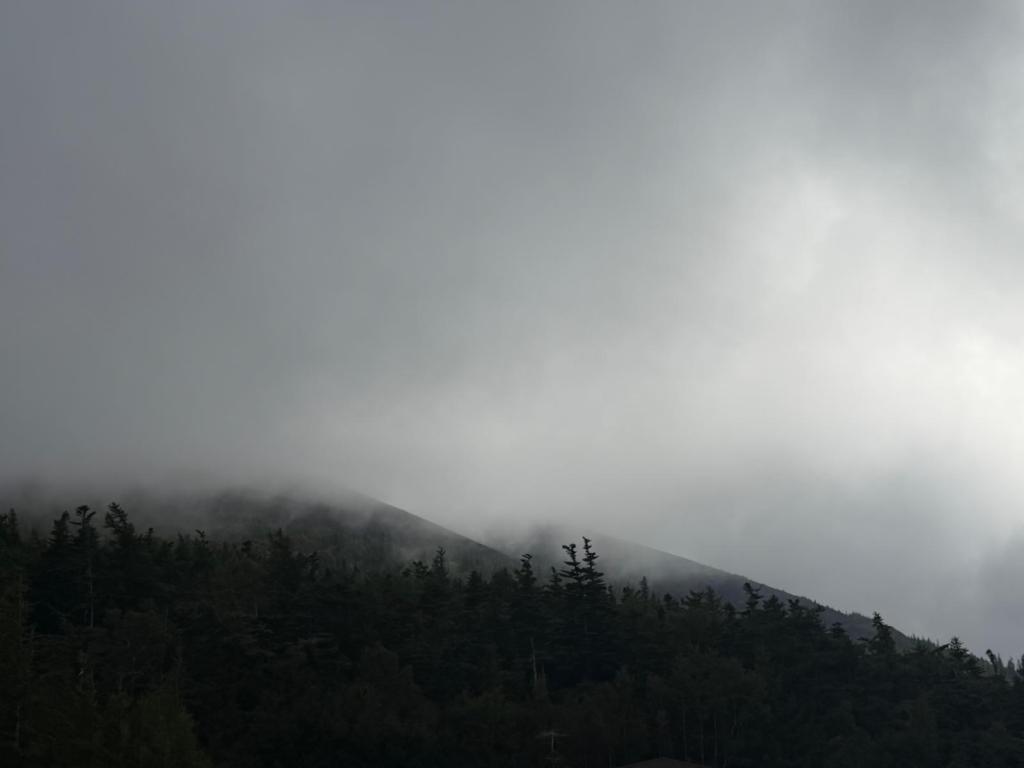
Our day trip to Mount Fuji was hampered by almost gridlocked traffic all the way to it on a bank holiday in Japan. We made it to the fifth platform there for fifteen brief minutes but even then the heavy cloud meant good pictures of the summit were impossible to obtain.
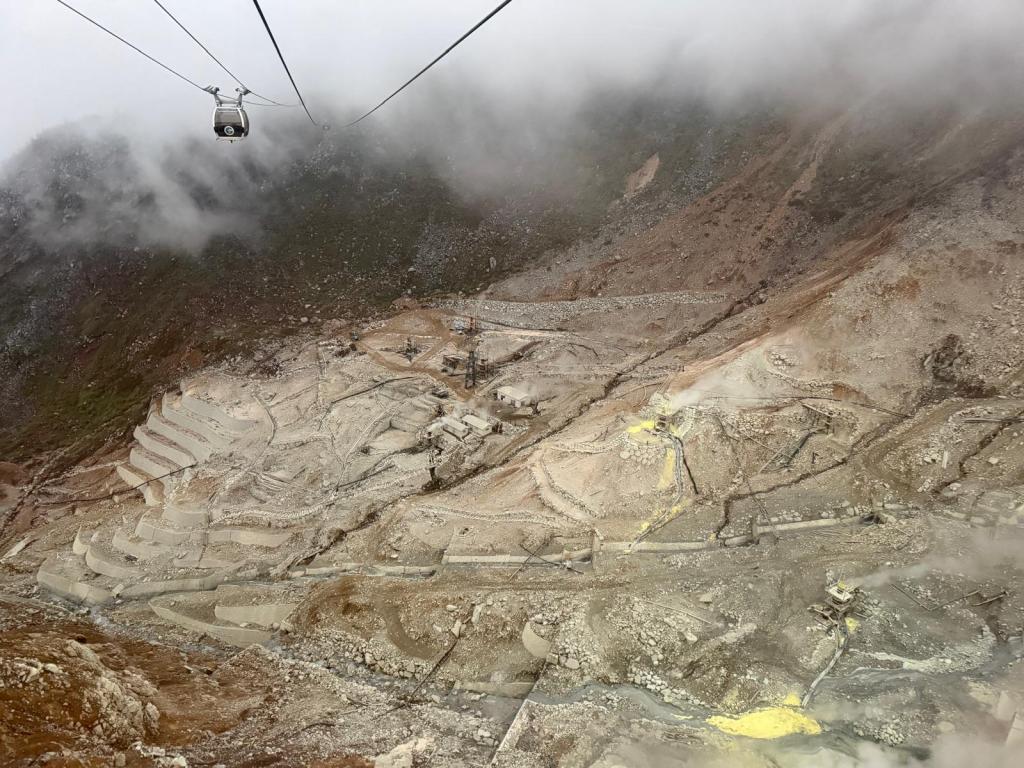
On the journey back from the mountain we stopped at Fuji Hakone Izu National Park and travelled on the gondola ropeway. From it you can see the sulphur deposits and steam vents (the yellow parts) rising from the active volcano valley of Owakundai (Great Boiling Valley).
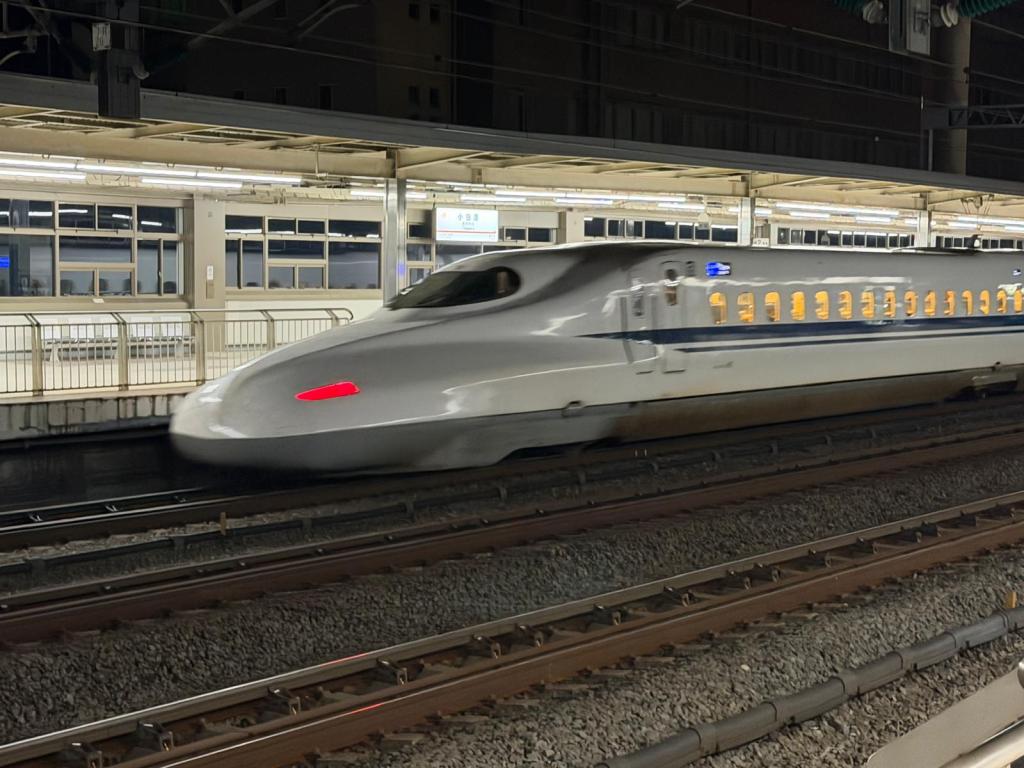
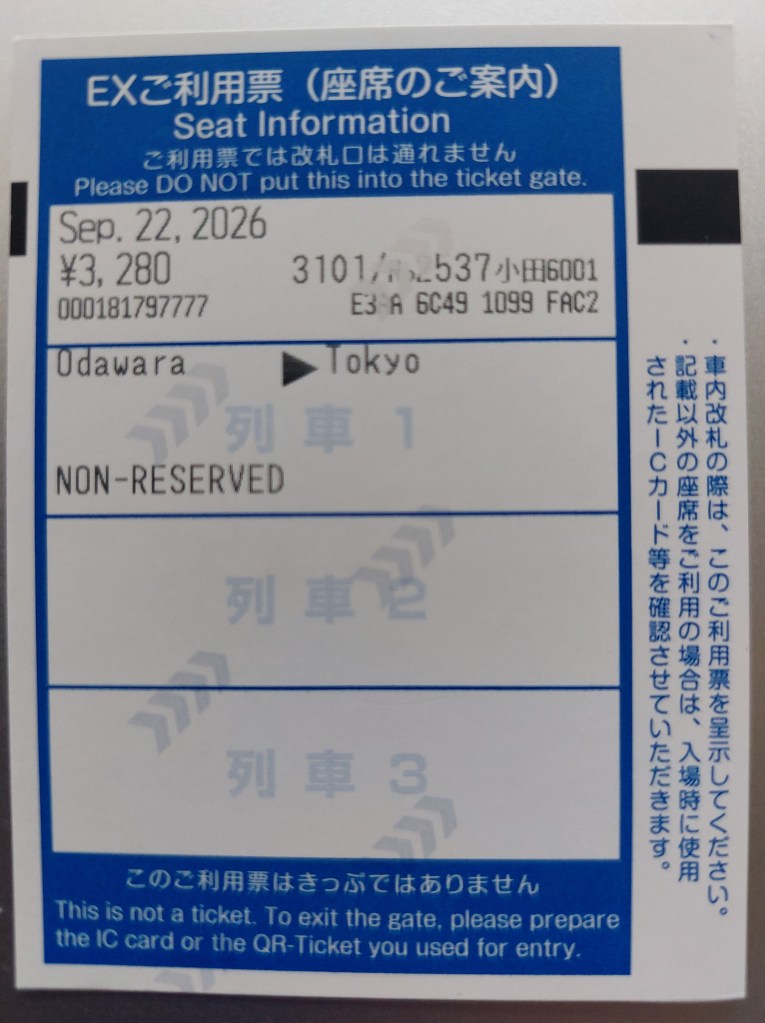
To complete our journey back into Tokyo from Mount Fuji we took the bullet train at Odawara station. It is a genuine jaw dropping ‘wow’ moment when you see the train fly past for the first time. We alighted at Shinjuku officially recognised as the busiest train station in the world.
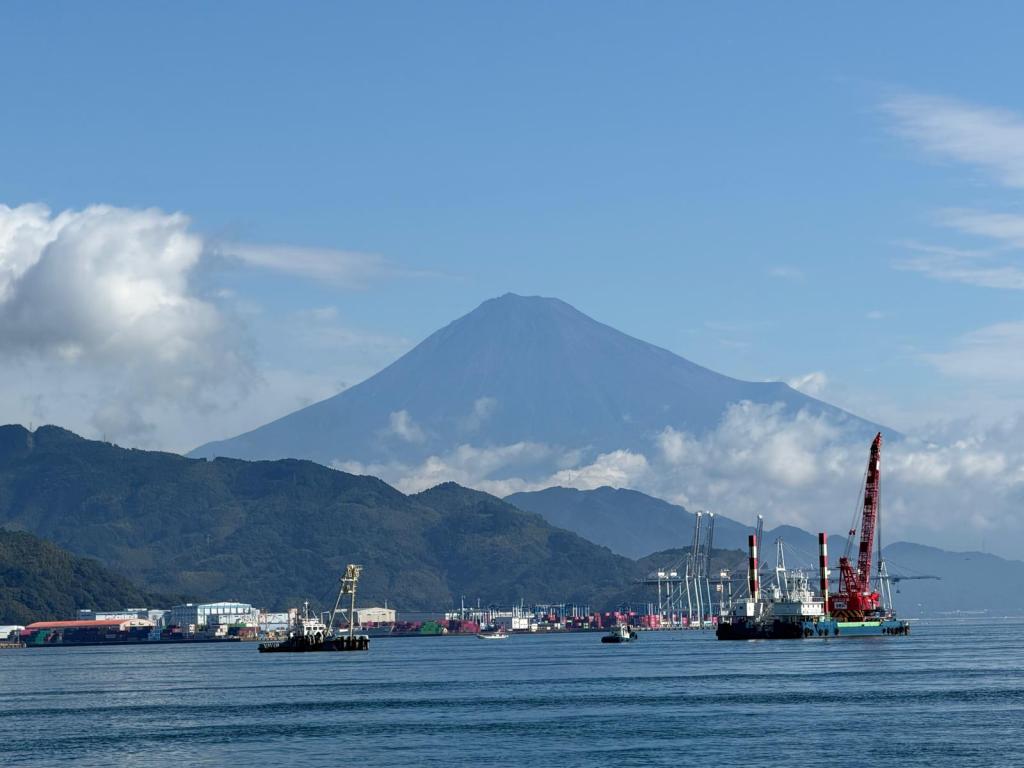
The following day we joined our cruise ship in Tokyo with the first stop being Shimizu. We travelled around there via water taxi (seeing the ships with the bluefin tuna the port is famous for) while the again fine sky gave another perspective on Mount Fuji.
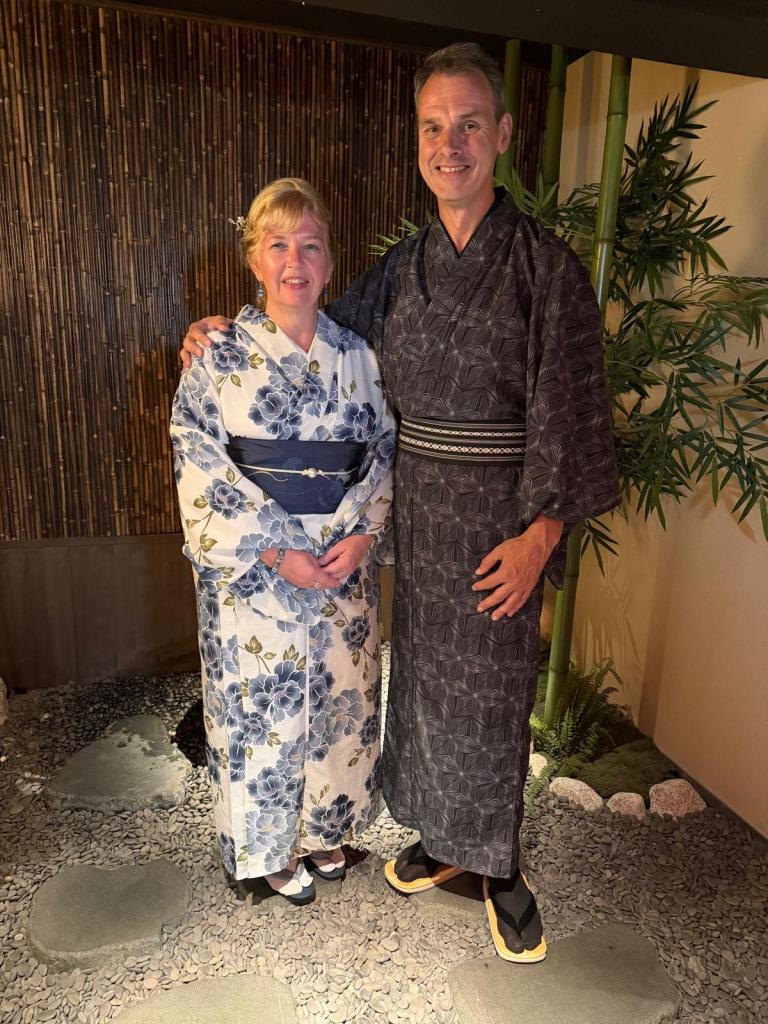
Our next stop was Kyoto where we attended a traditional tea drinking ceremony. Beforehand the hosts dressed us in kimonos.
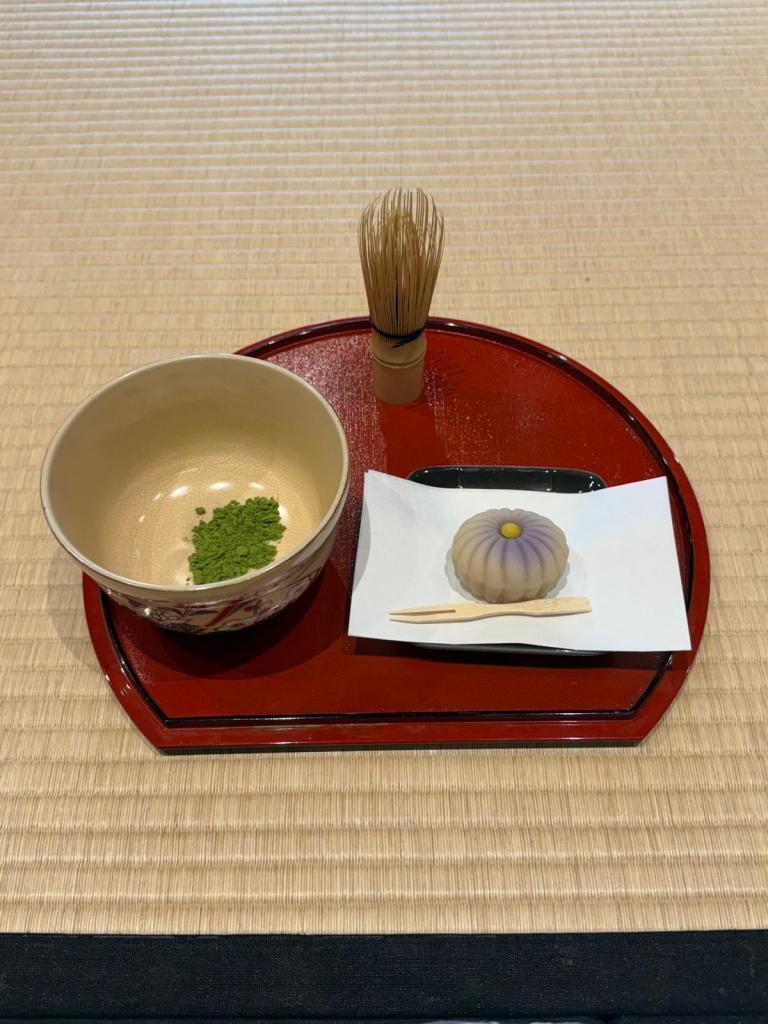
The ceremony itself proved more challenging personally than I had hoped. Particularly with my little wooden fork snapping in half as I tried to eat the cake and then the host having to help mix the tea itself as my technique failed me.
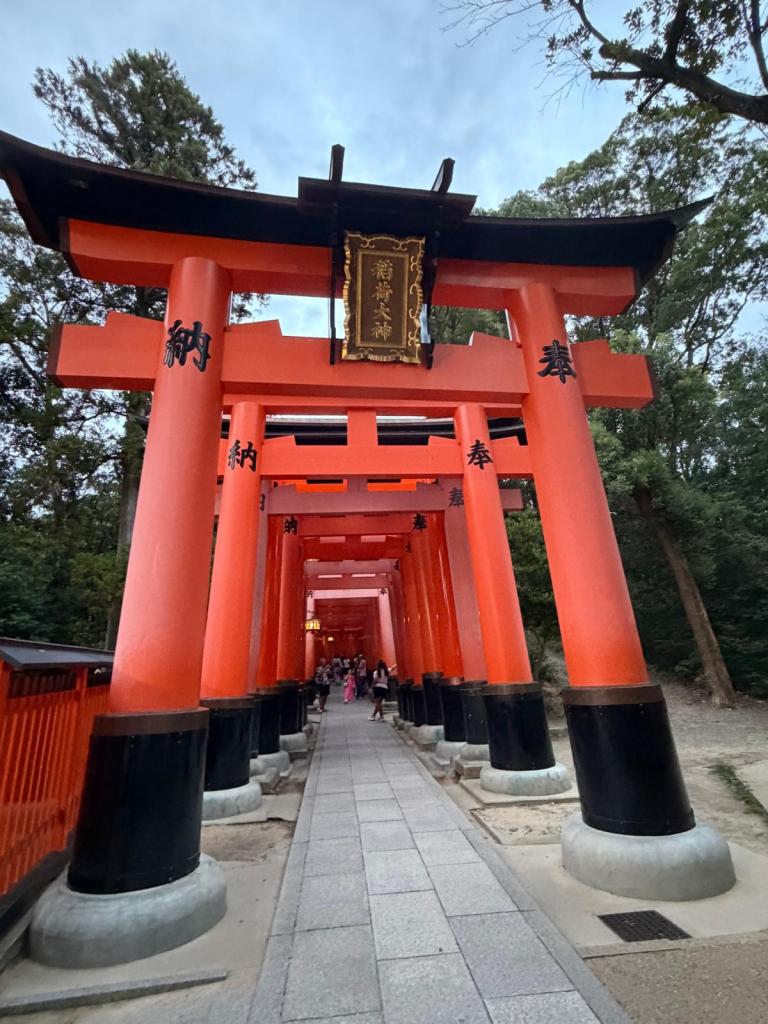
Later in Kyoto we travelled to the Fushimi Inari Taisha temple. This is the head shrine of the Shinto deity Inari and is particularly famous for its thousands of vibrant vermilion torii gates that trail up Mount Inari.
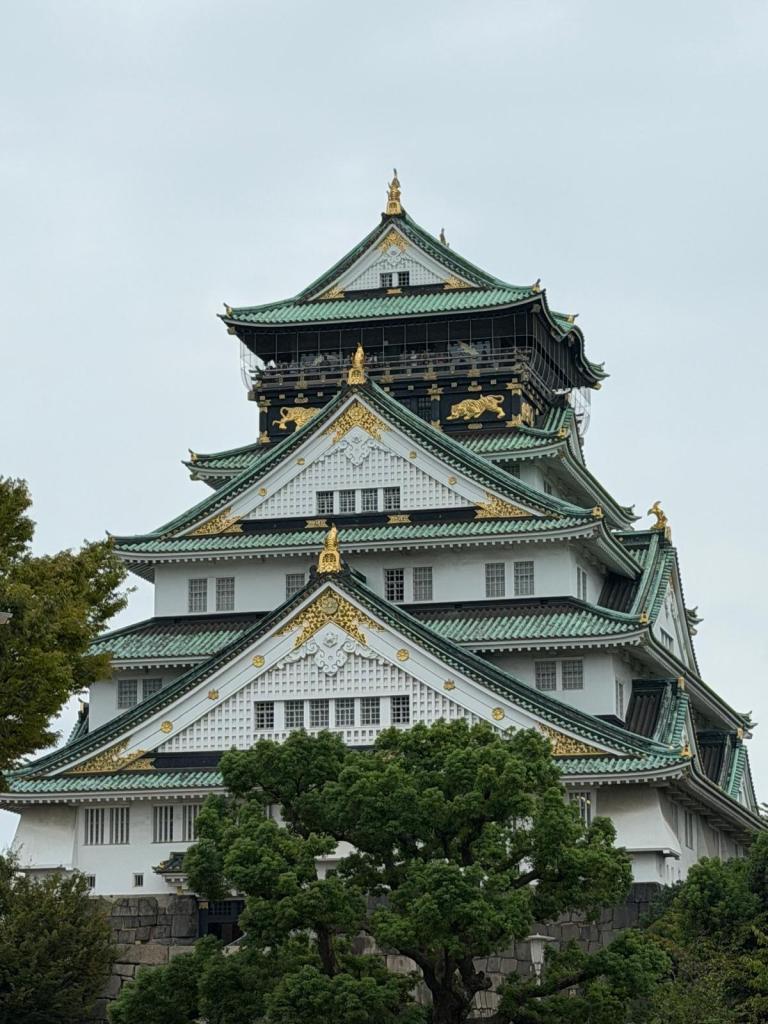
There are numerous very impressive castles in Japan. Osaka was our next city and the castle there has stone walls, a scenic moat and a museum showcasing samurai history. The views from the top offer a panoramic look out across Osaka.
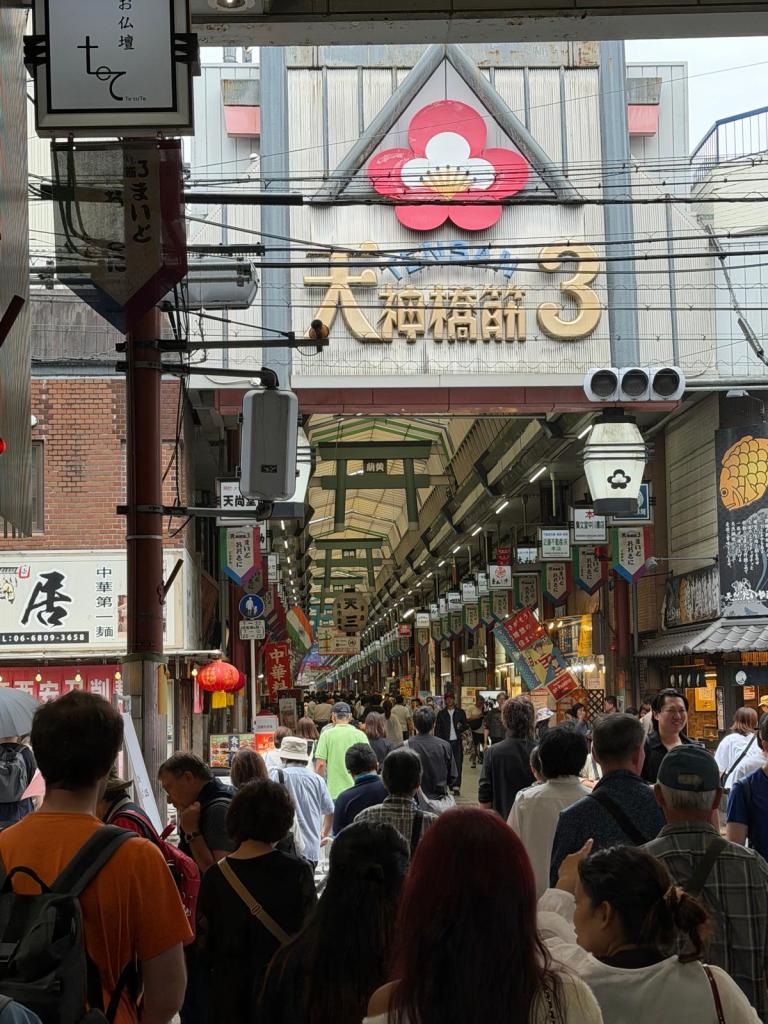
Osaka shopping centre is the longest in Japan (at 2.6 kilometres). We decided that all the big city Japanese shopping centres look similar.
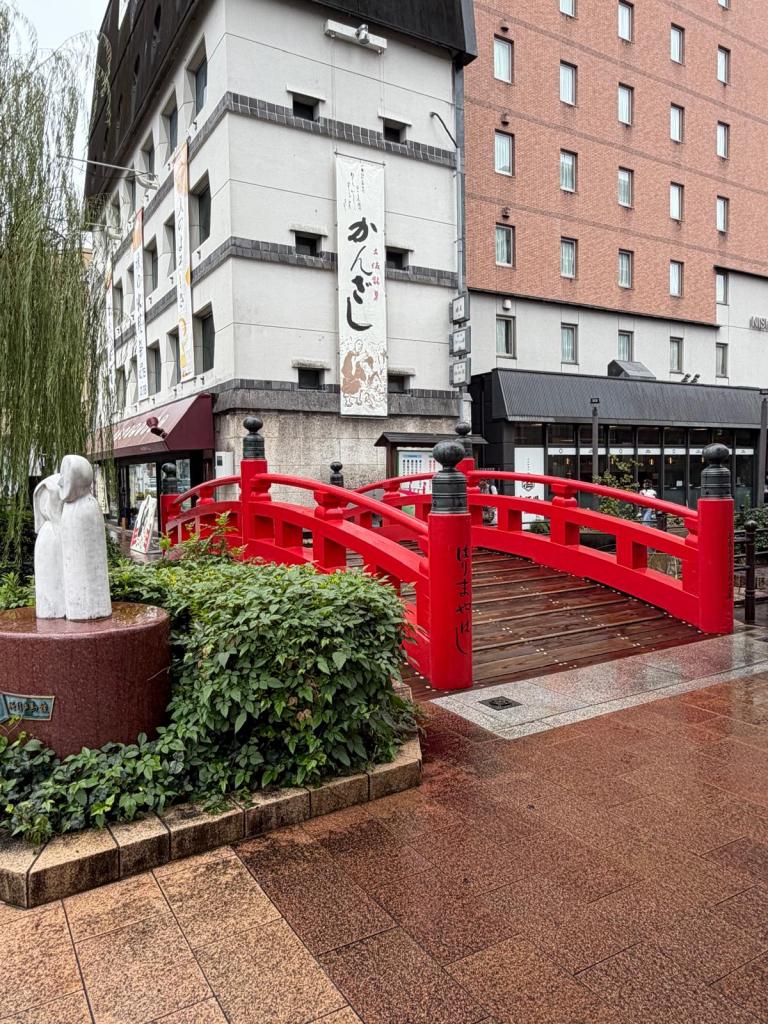
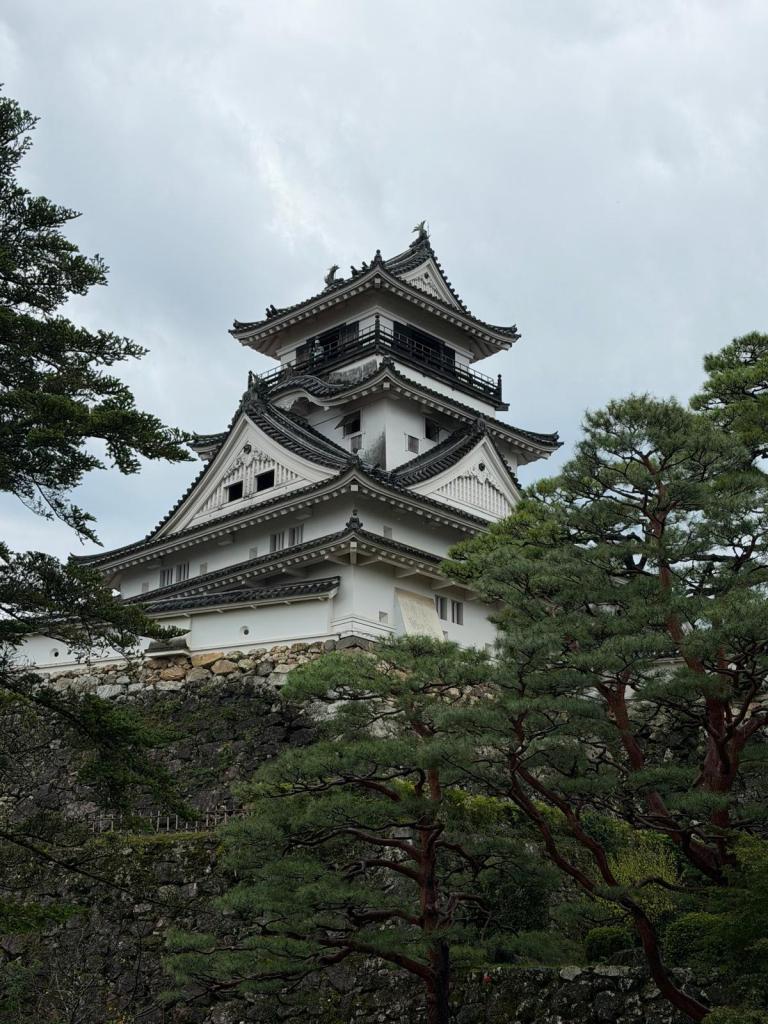
In Kochi the vermilion Harimaya Bridge is a famous historical landmark celebrated in Japanese folklore as a symbol of forbidden love.
Referring back to impressive castles here is another one in Kochi Castle. This was very crowded when we visited with the cramped and steep stairs adding to the experience. The climb to the top is well worth it for the excellent views out. There is a very detailed museum on the lower floors.
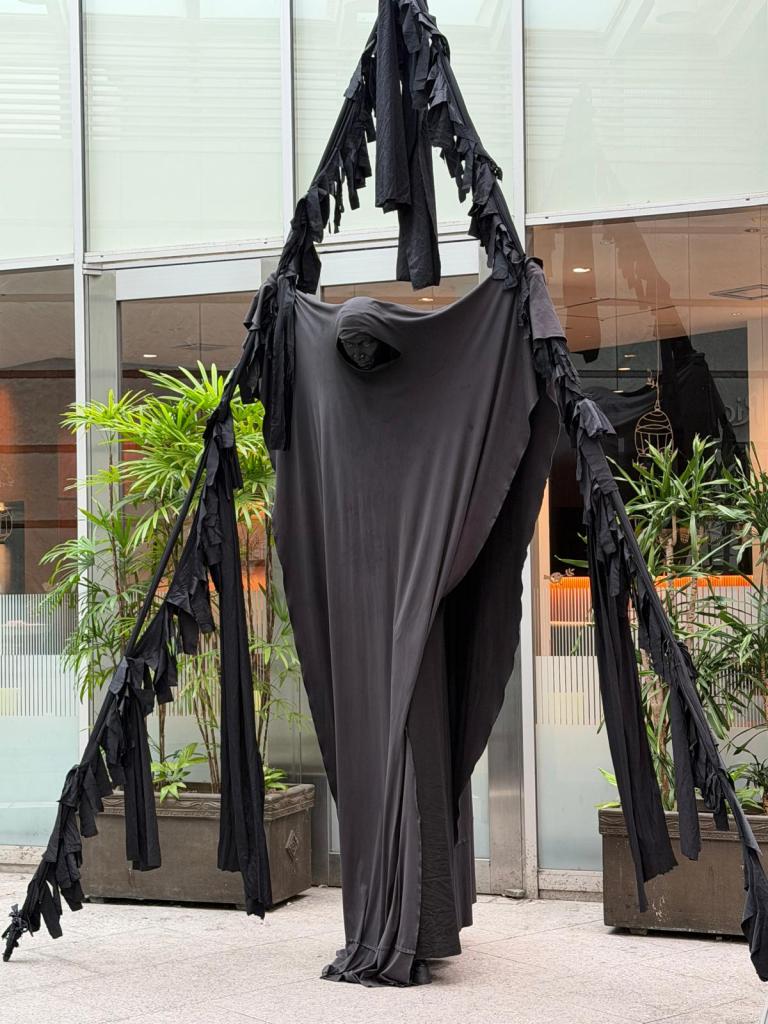
Although Kochi isn’t the longest shopping centre in Japan it did prove to be the most interesting. This mysterious black figure would stand stock still attracting crowds before suddenly lurching quickly forwards causing all to scatter.
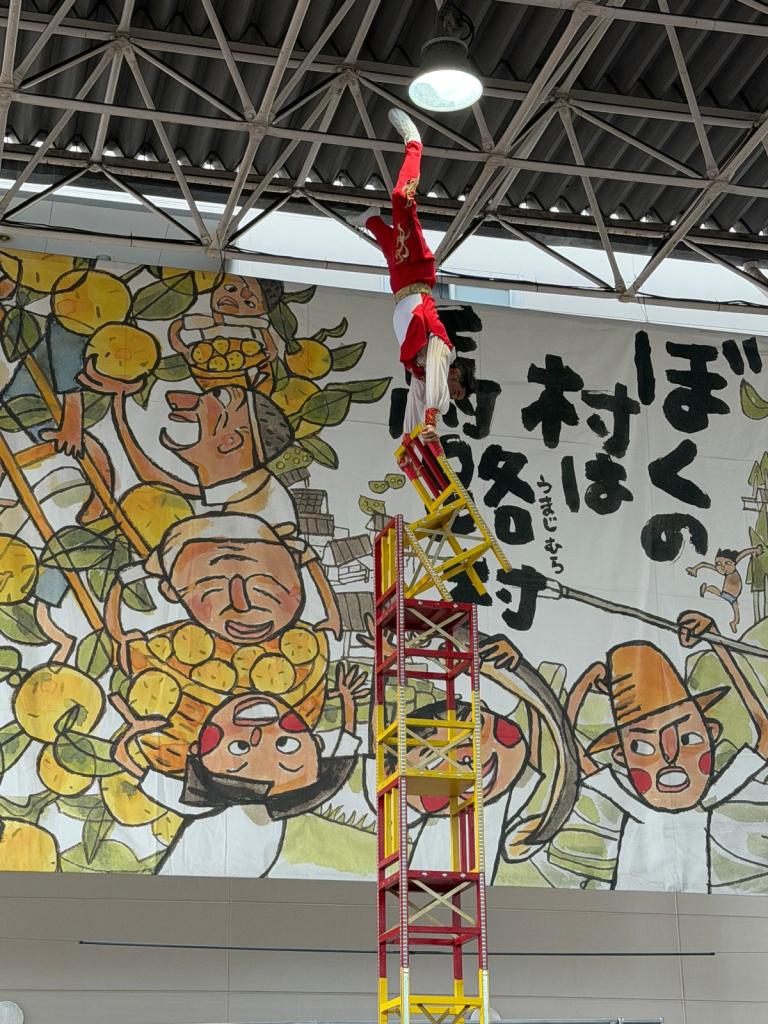
There was also an amazing acrobat.
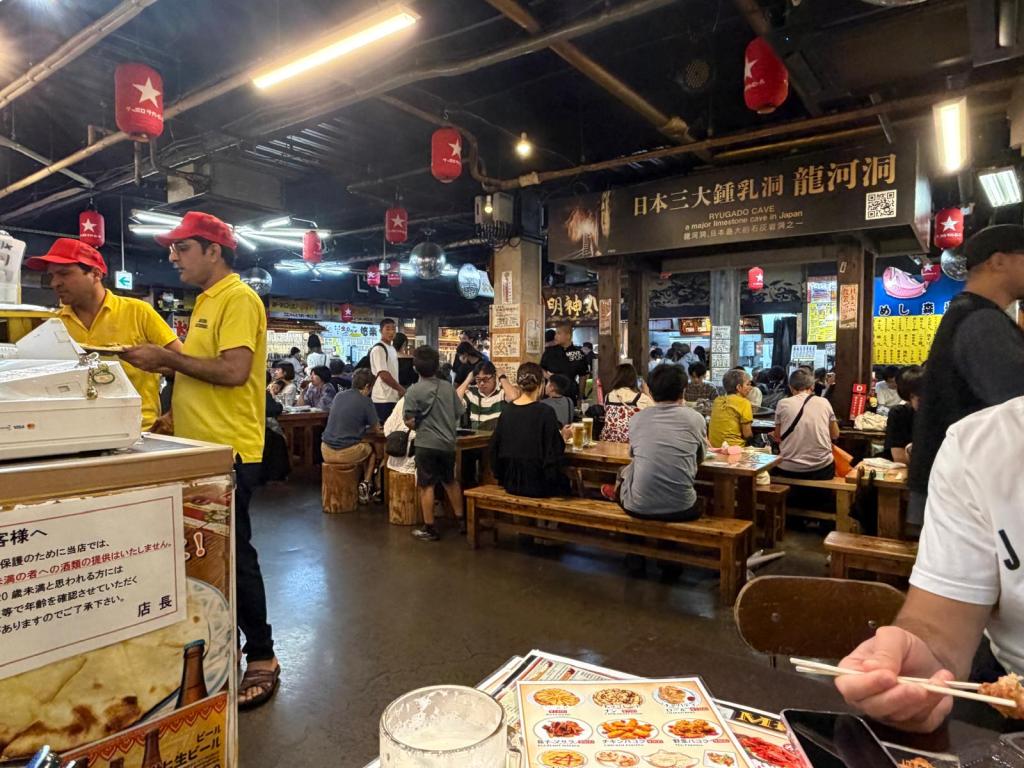
And a traditional beer market.
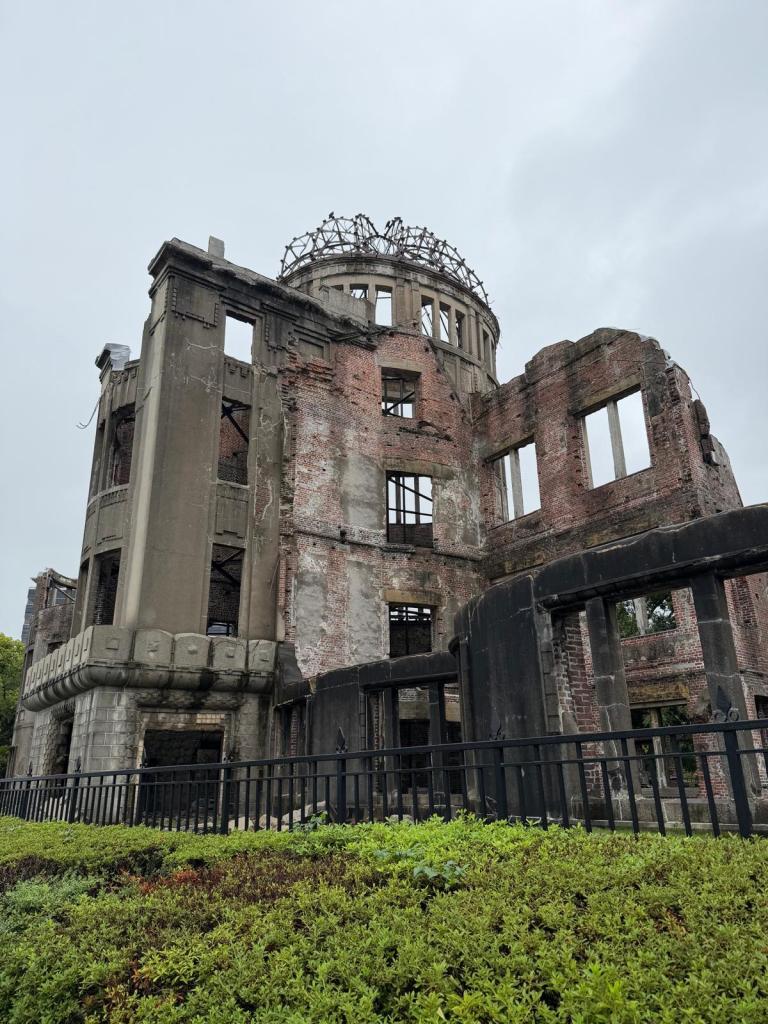
It was perhaps appropriately wet and miserable when we arrived in Hiroshima. Below is the hypocentre of where the atomic bomb hit the city in August 1945. An extremely thought provoking place to stand.
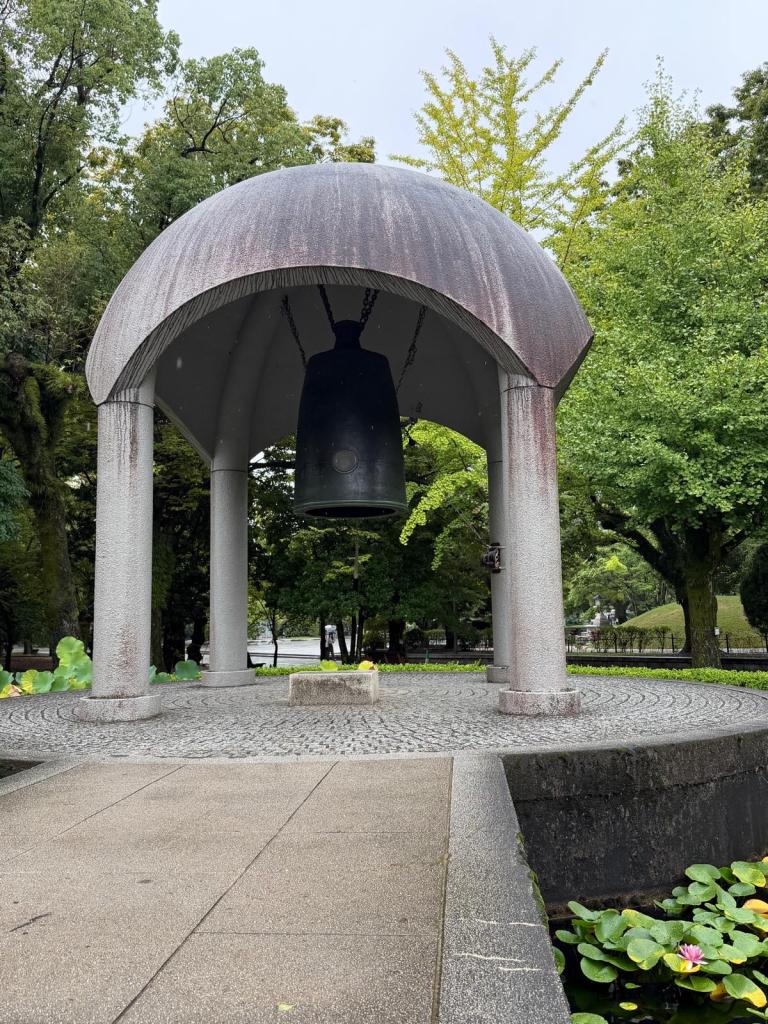
Within the Peace Memorial Park there is a peace bell which we rang.
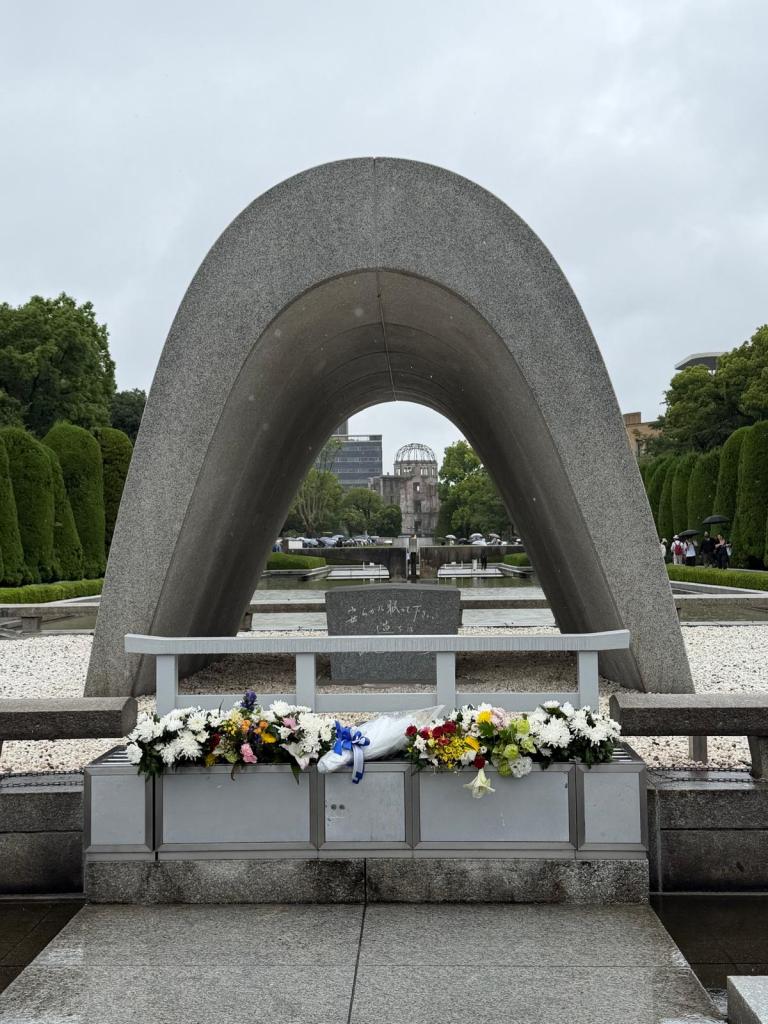
And a peace pond.
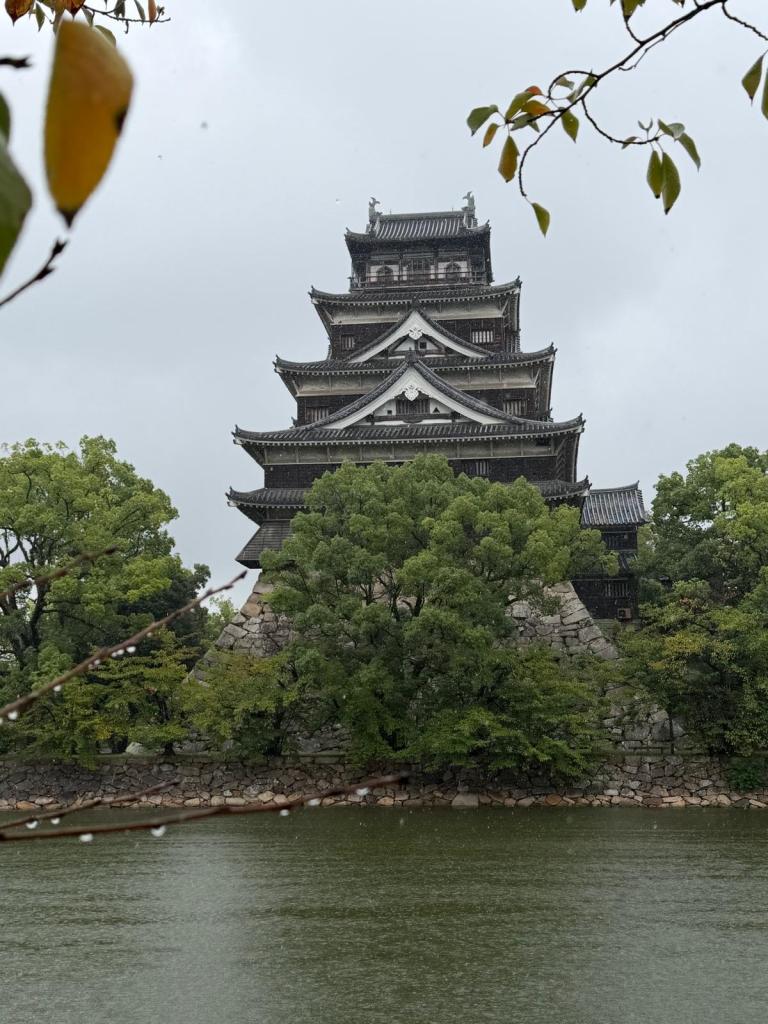
Hiroshima is home to yet another impressive castle although we only viewed this from a distance in the still pouring rain.
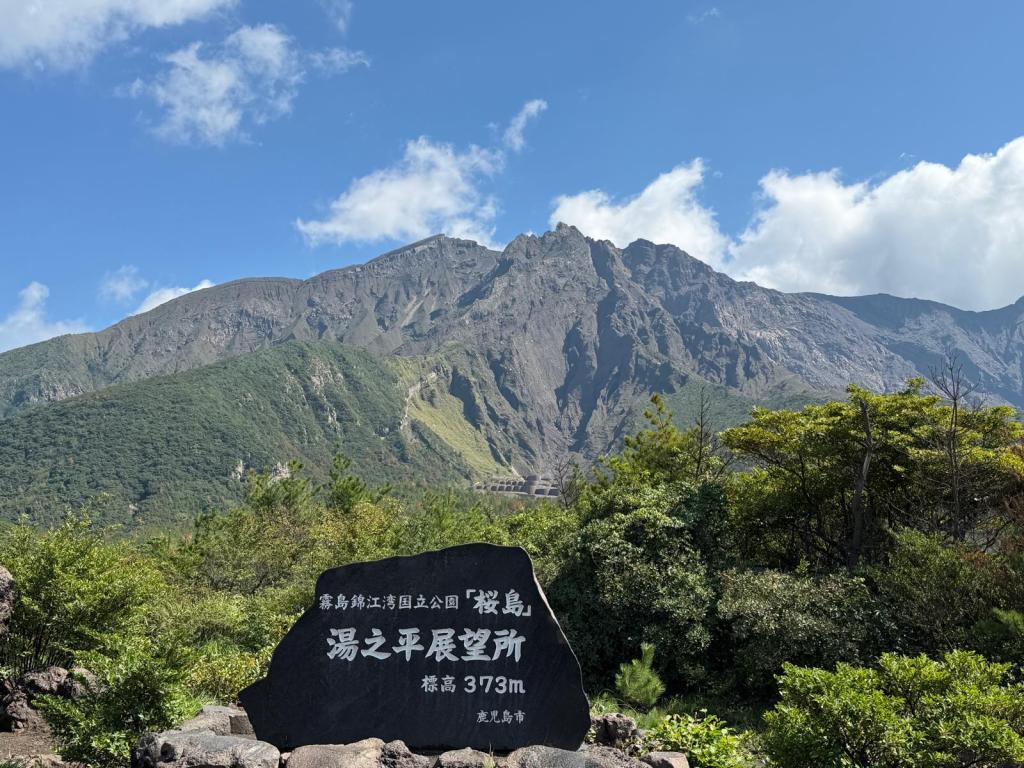
Our next stop was Kogashima where we took the ferry to Sakurajima island for a closer view of the volcano there. It stands at 373 metres above sea level.
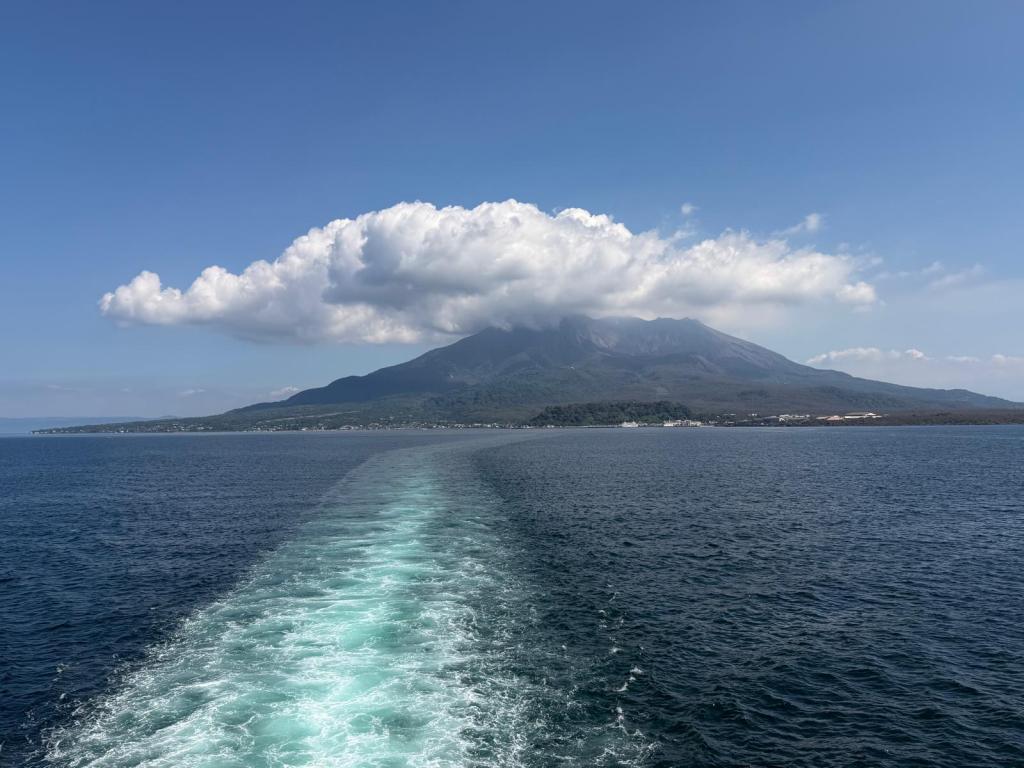
Below is a different perspective on the volcano as we sailed away from the island back to Kogoshima.
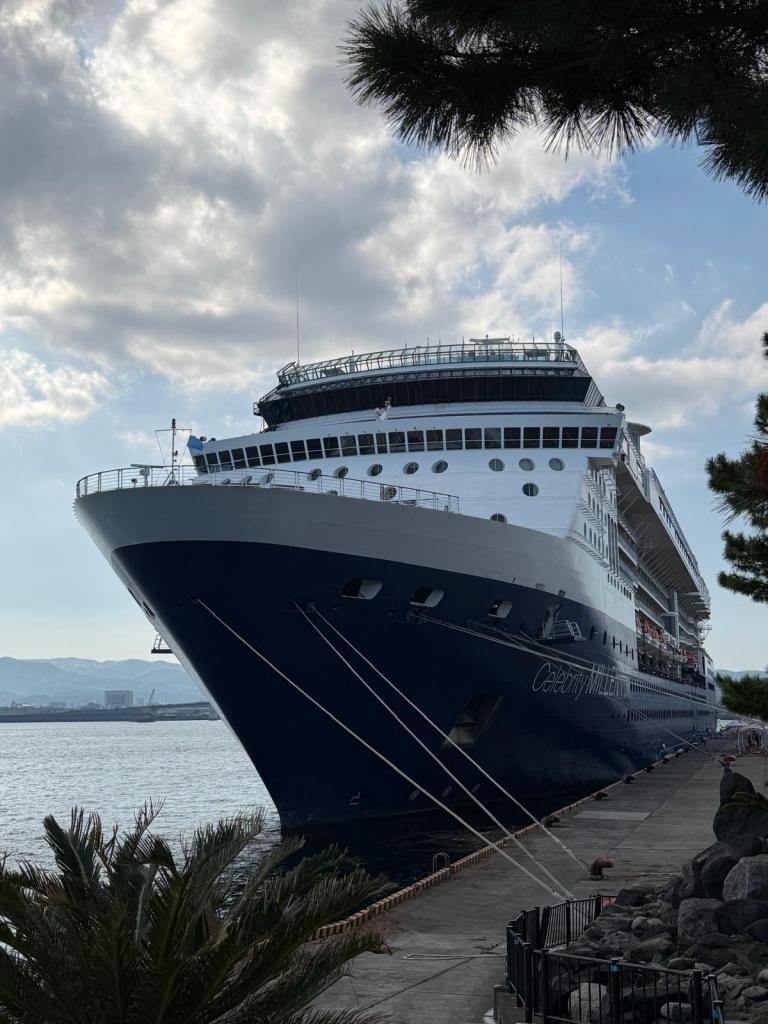
And our cruise ship in the port of Kogoshima before setting sail to Nagasaki.
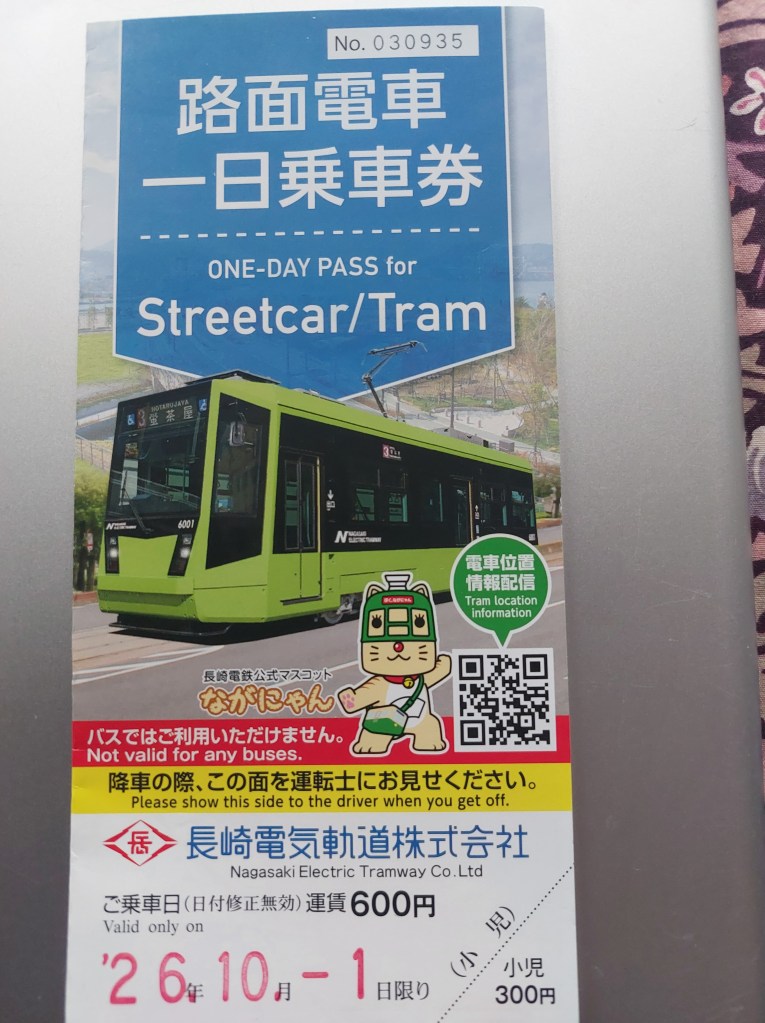
In Nagasaki we travelled around using the street car. This seems an appropriate place to mention that all the tales about the politeness of the Japanese people and cleanliness of the country are absolutely true. Public transport provides a perfect example of this. Staff and general public will actually bow to you on services and even make an effort to move out of the way so you can sit together.
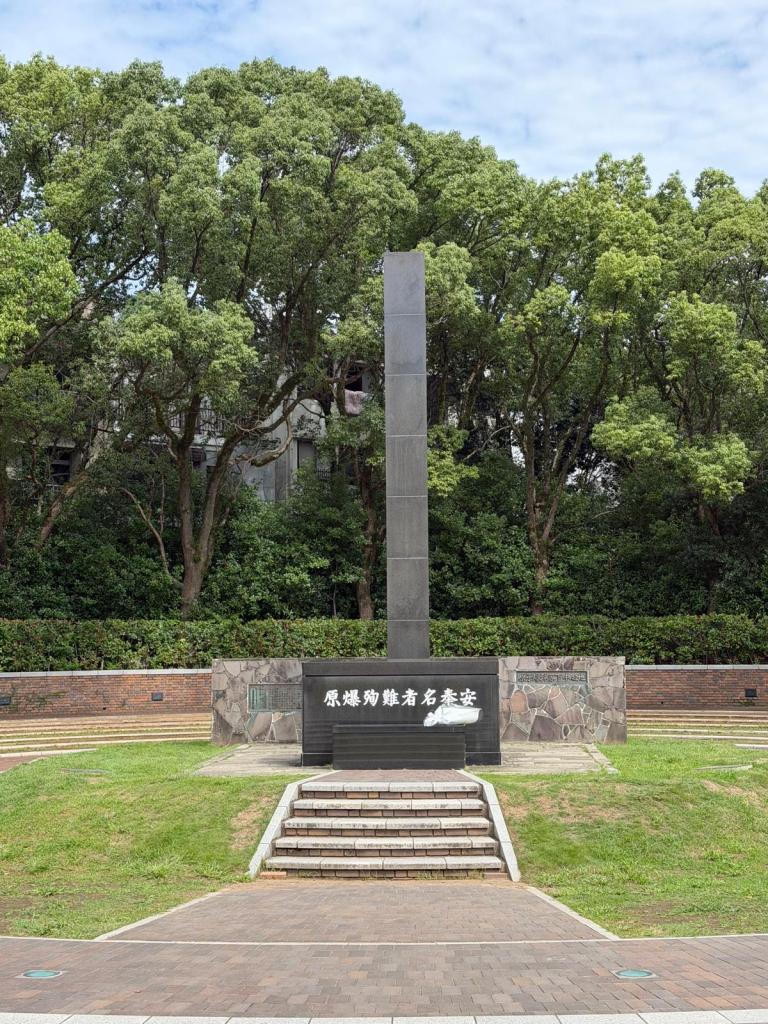
Similarly to Hiroshima the hypocentre of the atomic bomb at Nagasaki is a place for real reflection. Even more so when considering that Nagasaki wasn’t even the original intended target for the bomb.
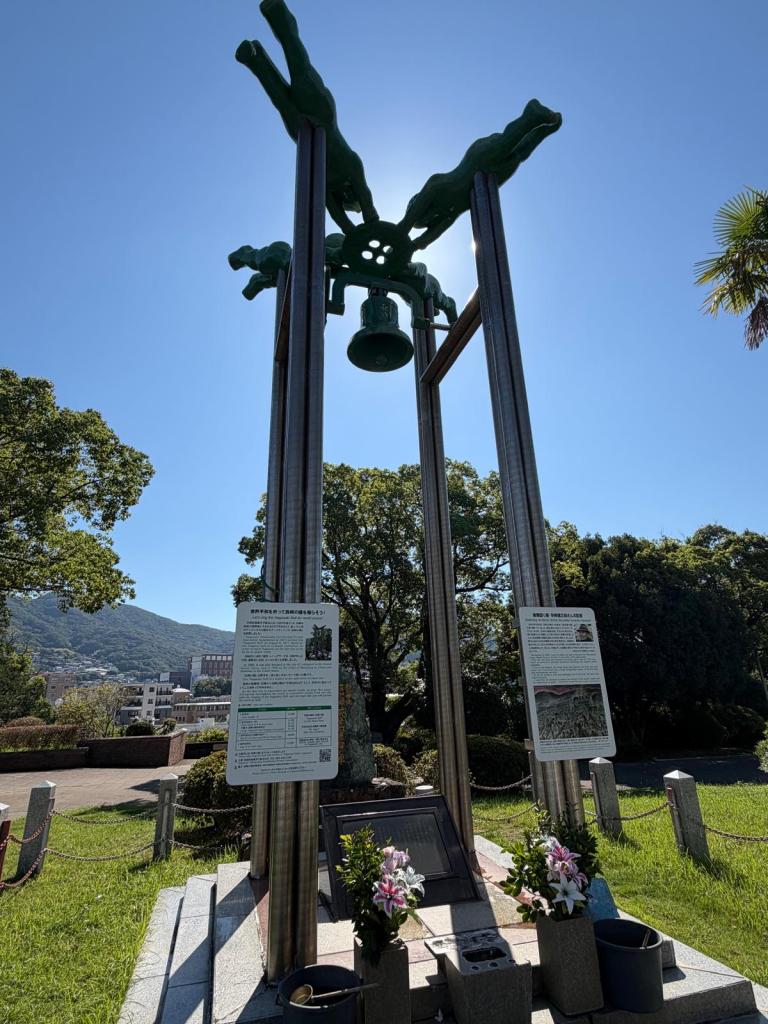
There is a peace bell.
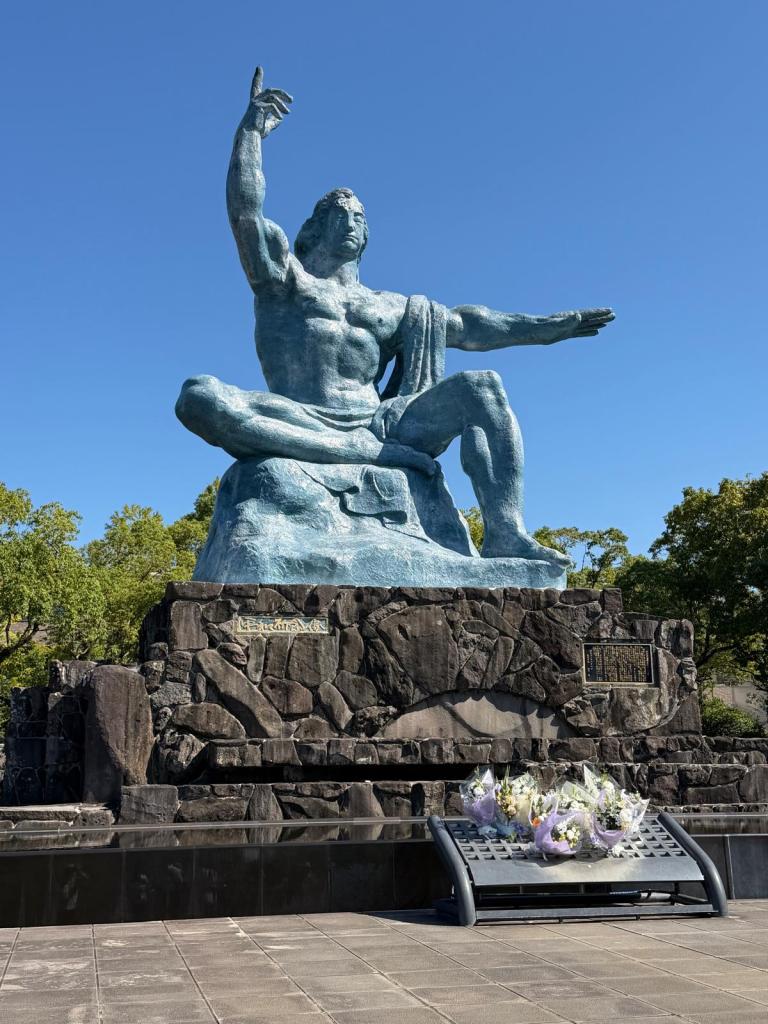
And an impressive peace statue.
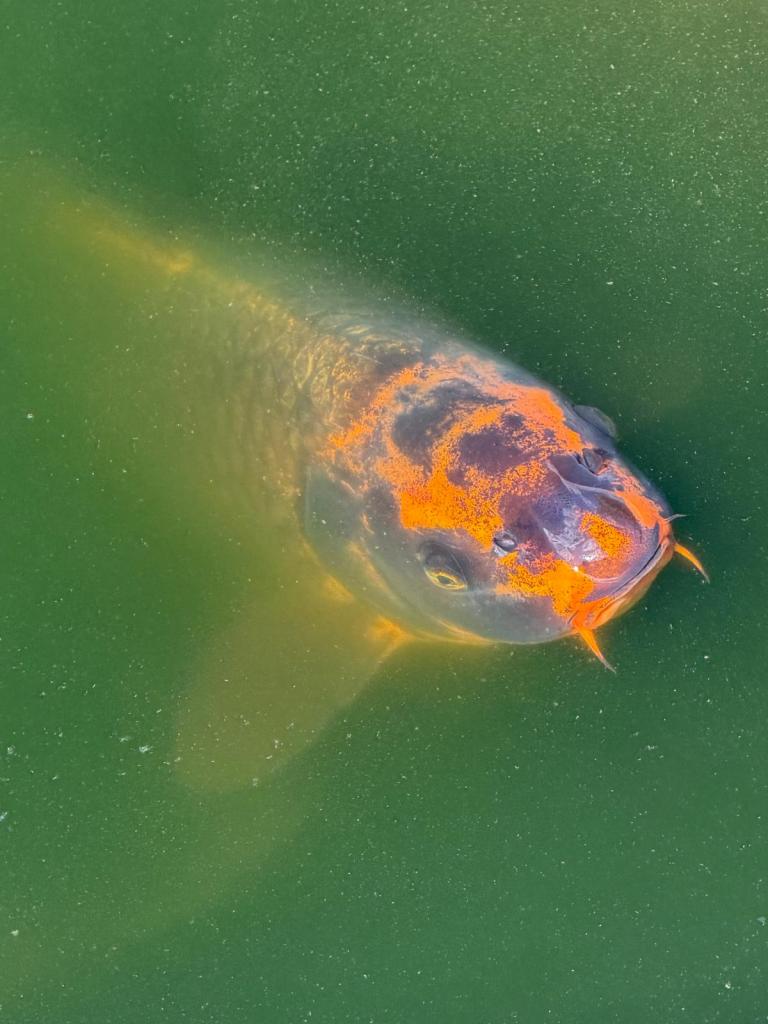
Later in the day back by the port we enjoyed the Glover Gardens. A pond with Koi Carp is one of the highlights.
And Glover’s house itself.
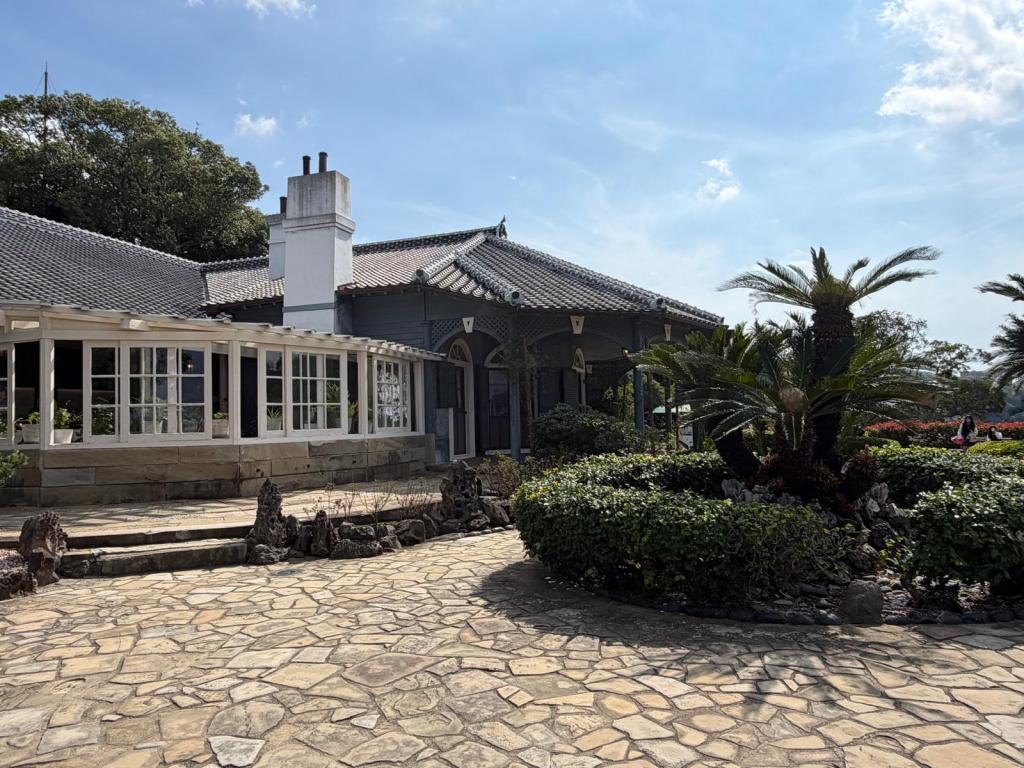
Docking next in Fukouka we took the underground and first visited Ohori Park. Built from ancient castle moats it has a massive central pond and walking trails.
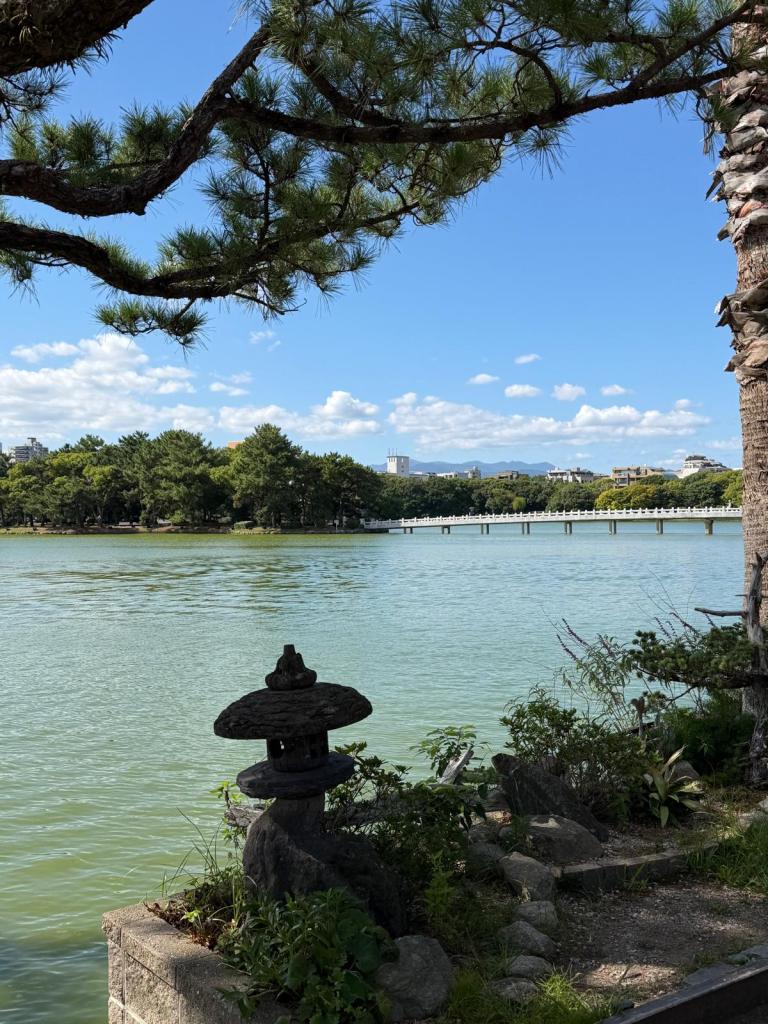
Additionally Ohori Park also contains a beautiful Japanese Garden. It features traditional stone landscapes with manicured pine trees.
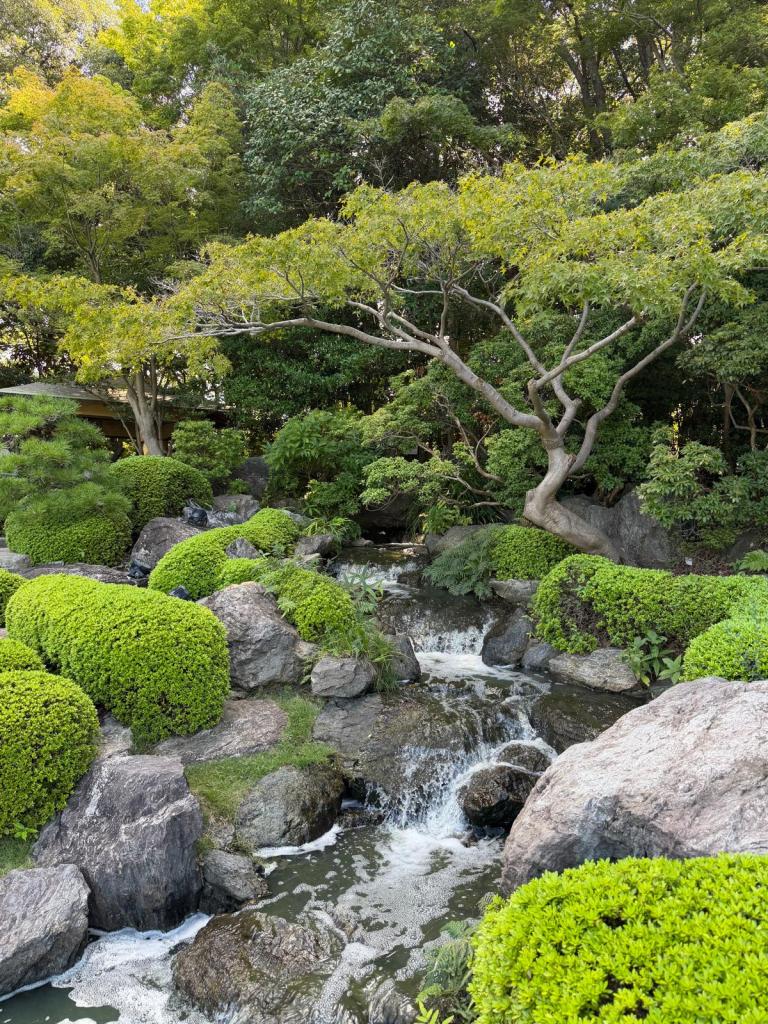
The Kushida Shrine in Fukuoka was our final place to visit in Japan. Founded in 757 it is the most important Shinto shrine there.
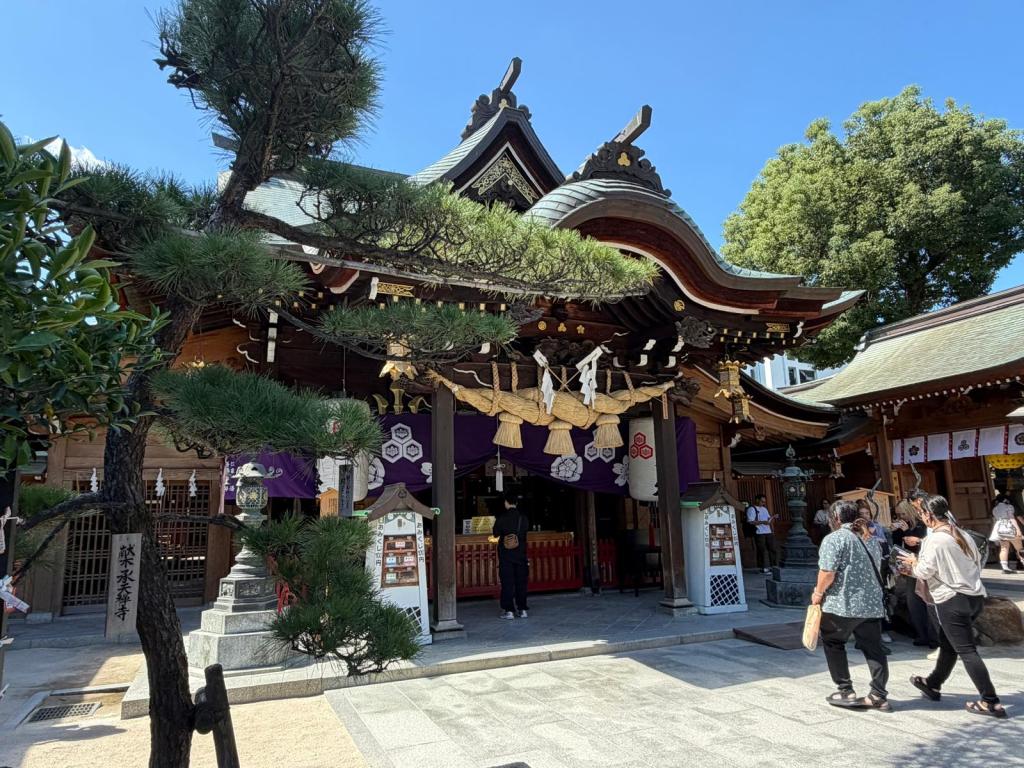
The photograph below confirms the end of Japan for us or at least the last Japanese island visible from our cabin on the cruise ship.
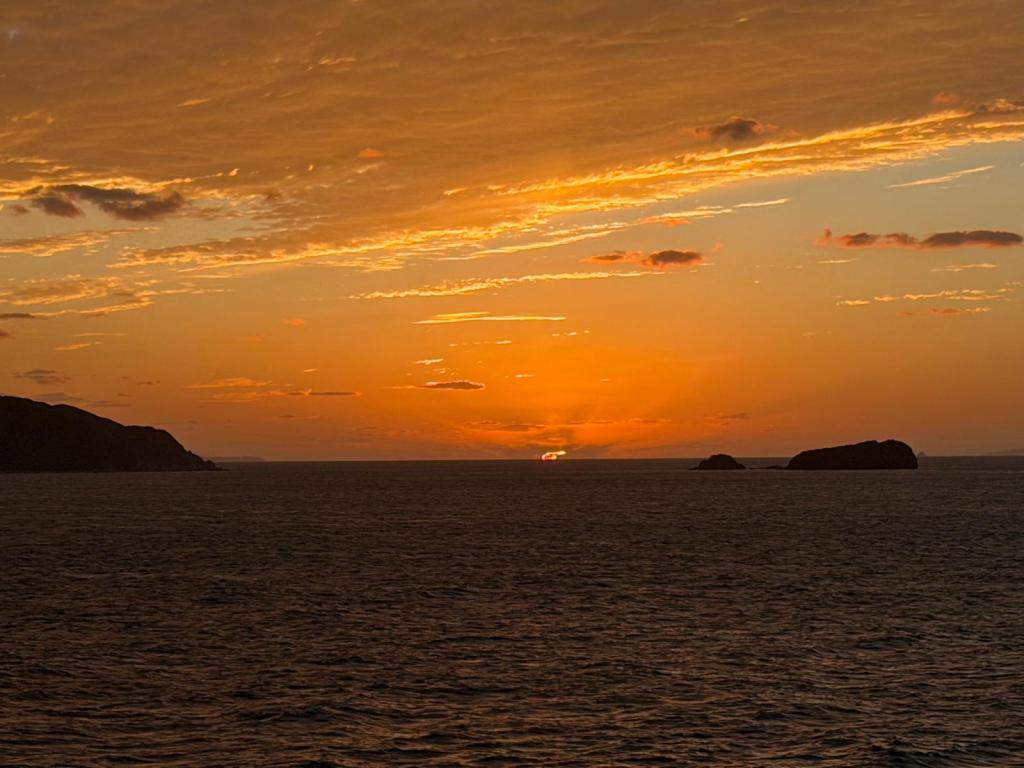
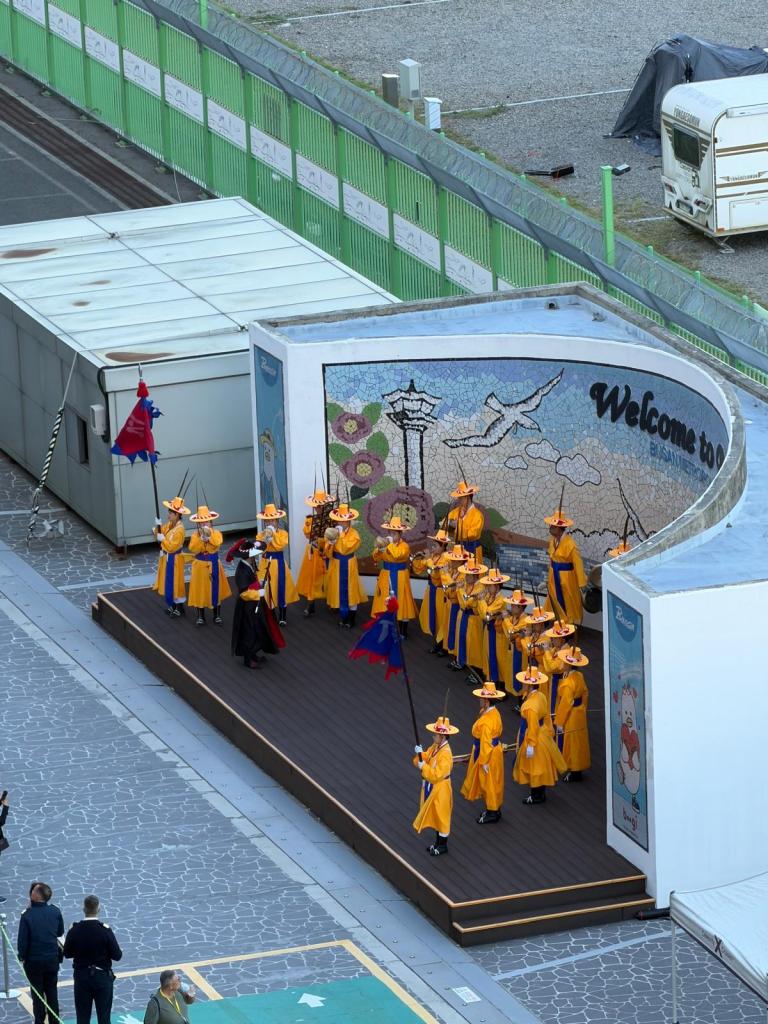
This was replaced by the welcome below when we arrived in Busan, South Korea the next morning. There were lots of impressive and in some cases quite emotional departure and arrival displays during the course of the cruise. Busan was probably the best (and certainly loudest) of all.
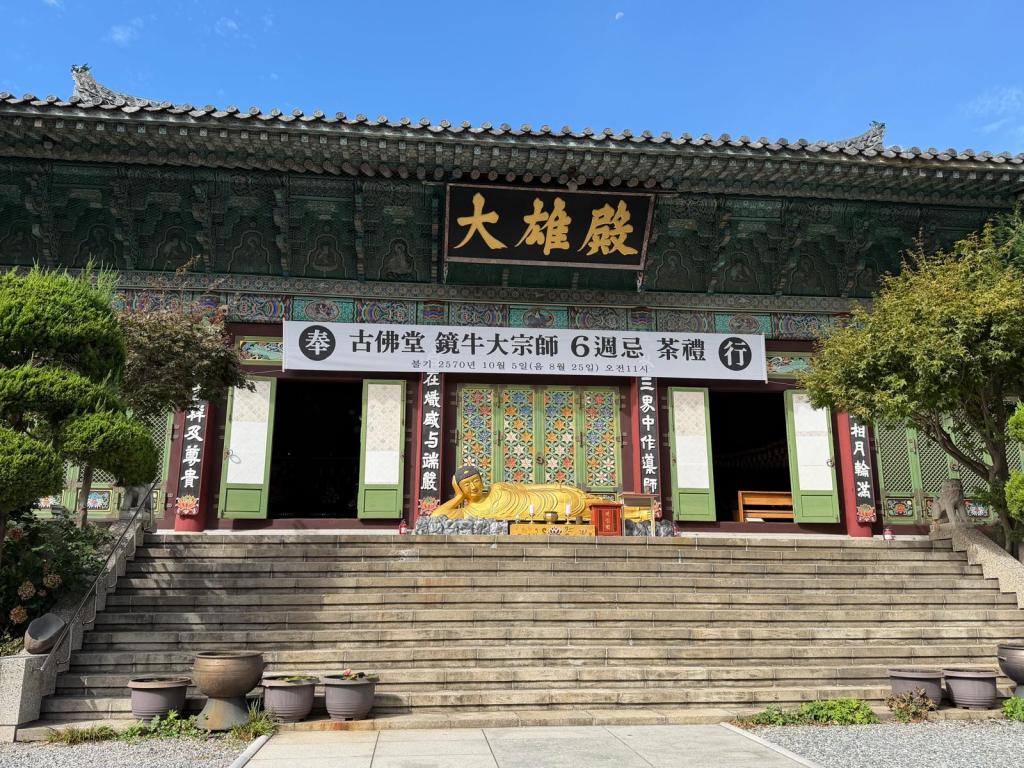
Our first impressions of South Korea were ultimately proved correct throughout. Amazingly clean (perhaps fractionally short of Japan) with courteous and friendly people. On our way to Busan Tower we stopped briefly at this temple. One of the ladies there was keen we joined in with a ceremony, getting mats out for us to kneel on, before we politely made our excuses and left.
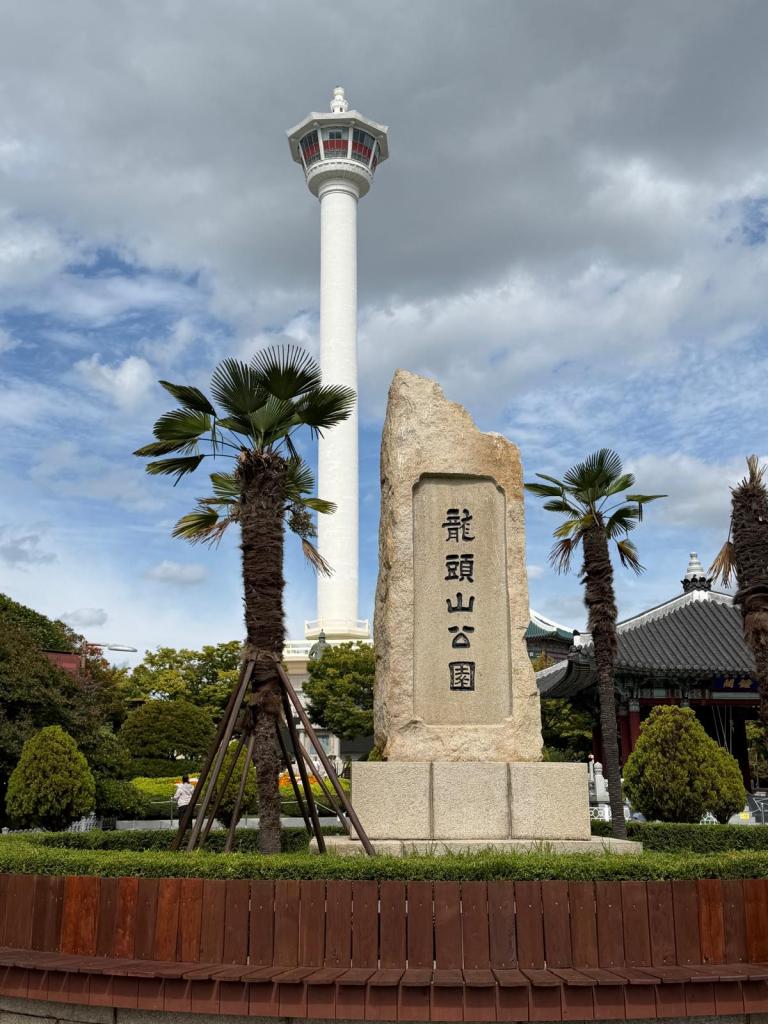
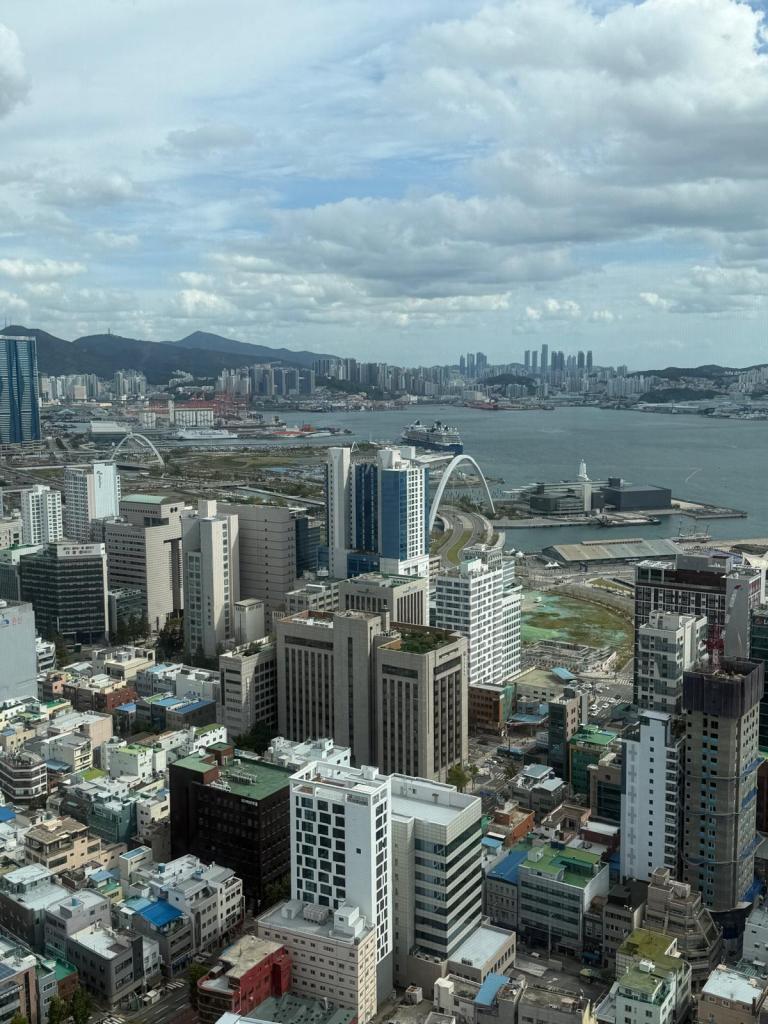
Shortly after we reached Busan Tower which is a 120 metre high landmark in Yongdusan Park.
The tower provided fantastic panoramic views out over the city. From this one you can see our cruise ship docked in the distance.
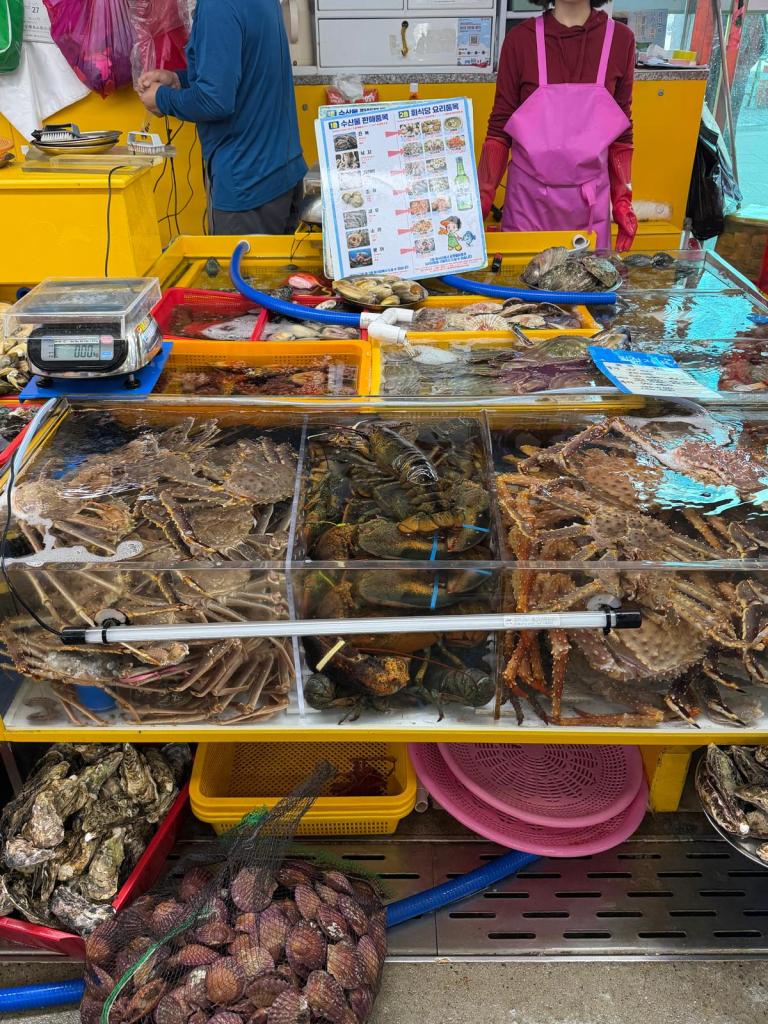
The fish market in Busan was amazing to visit although probably not to everyones taste. Seemingly hundreds of stalls with live fish and crabs that you could choose and then eat in the restaurants above.
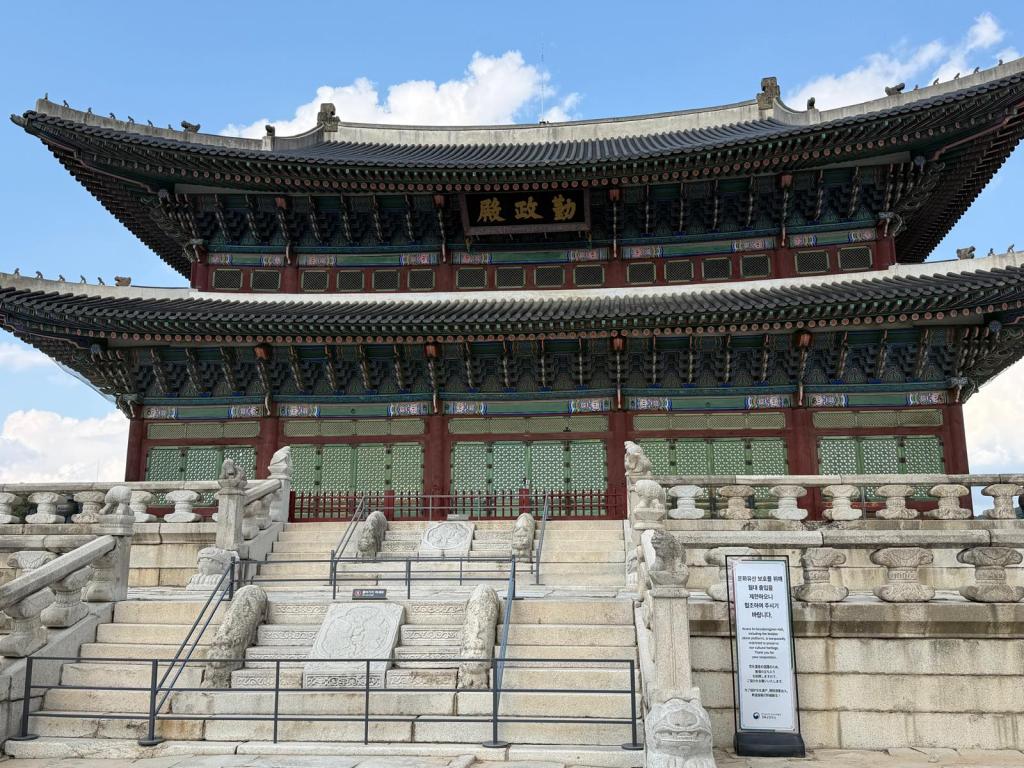
We disembarked the ship for the last time at Seoul for three days in the South Korean capital. Below is the Grand Palace there.
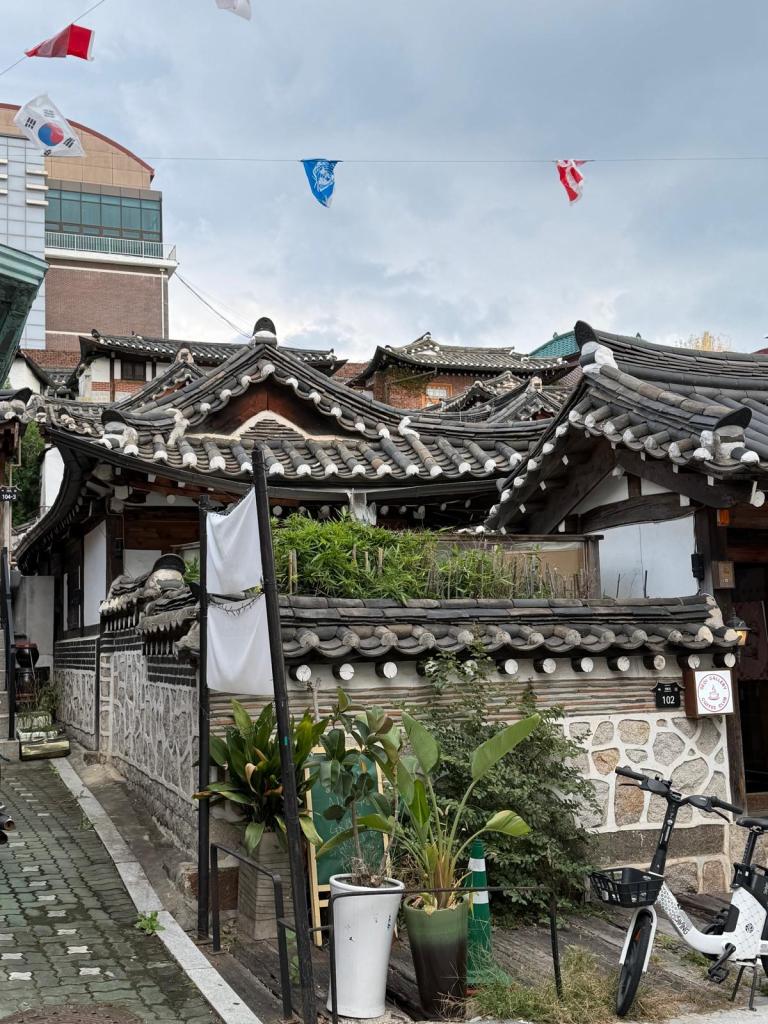
In the old village there are lots of traditional buildings. The United Nations flag flying along with those of many other countries helping to acknowledge the role they played during the Korean War.
From Seoul we took a day tour to the DMZ for a glimpse into North Korea.
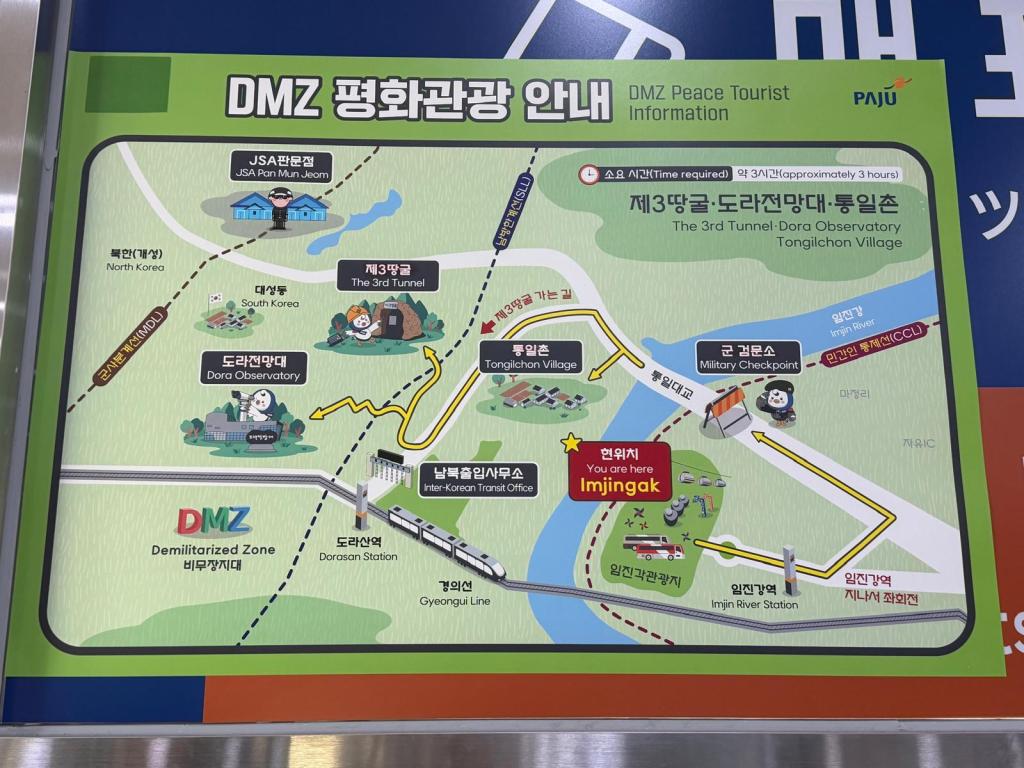
For obvious reasons you can’t take many photographs when you are in the DMZ.
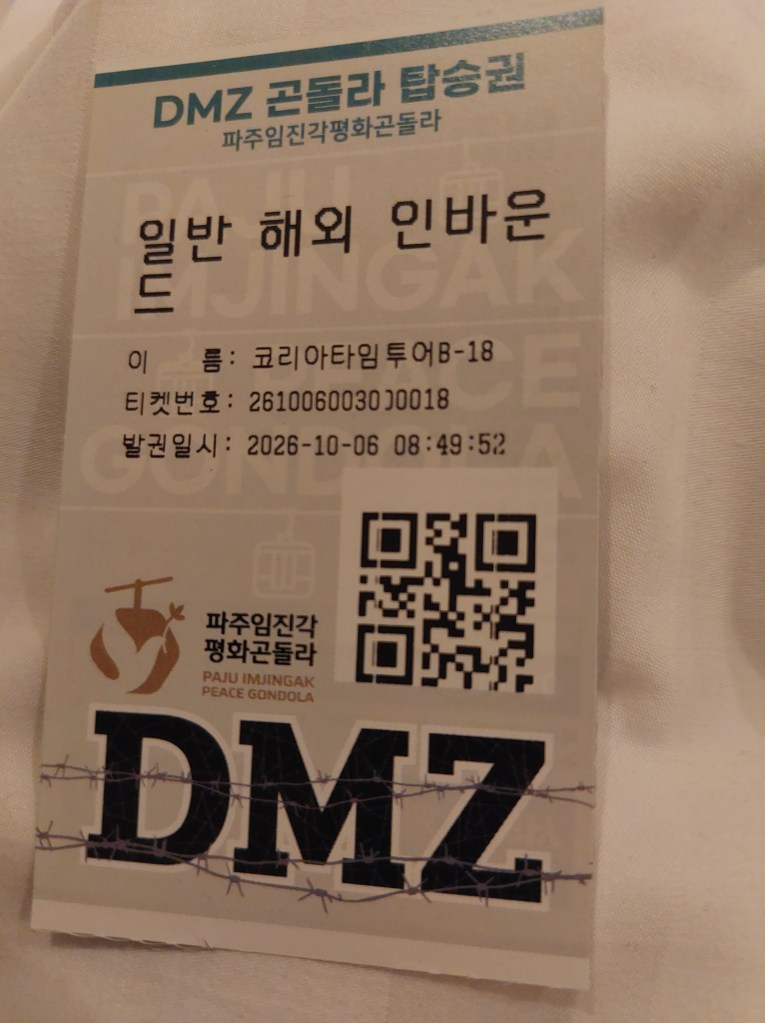
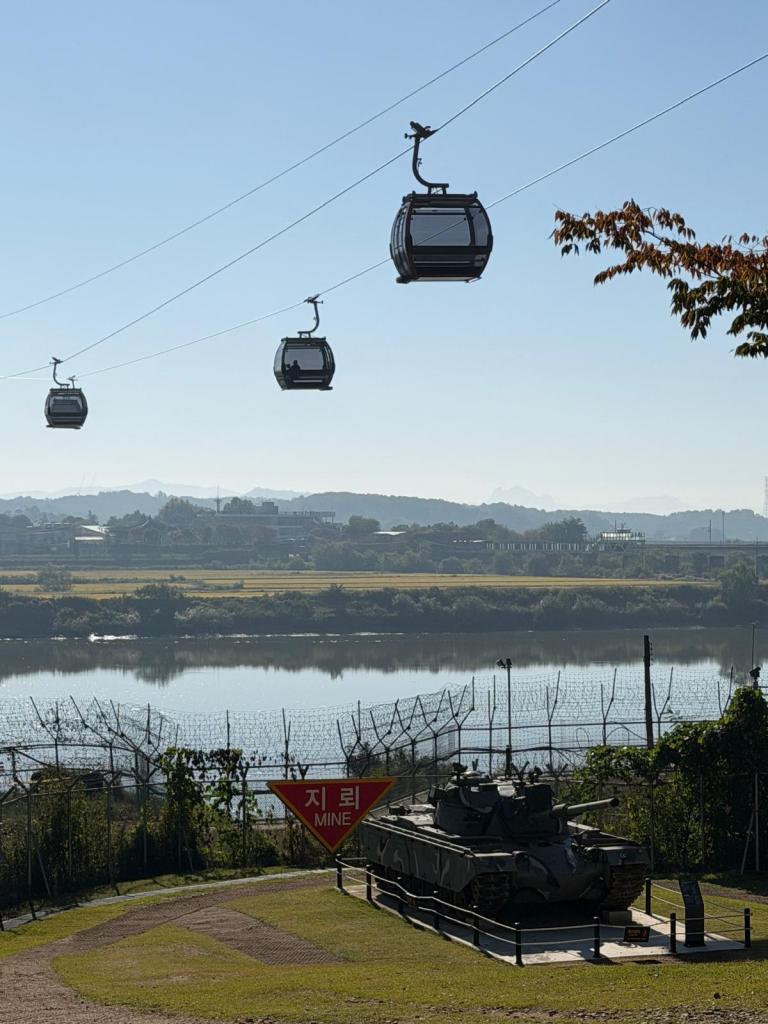
We rode the Imjingak Peace Gondola which is the world’s only cable car traversing a civilian control zone. The 850 metre ride glides over the Imjin River. The decommissioned tank has its gun barrel pointing towards North Korea. The Korean War being still only officially ‘paused’.
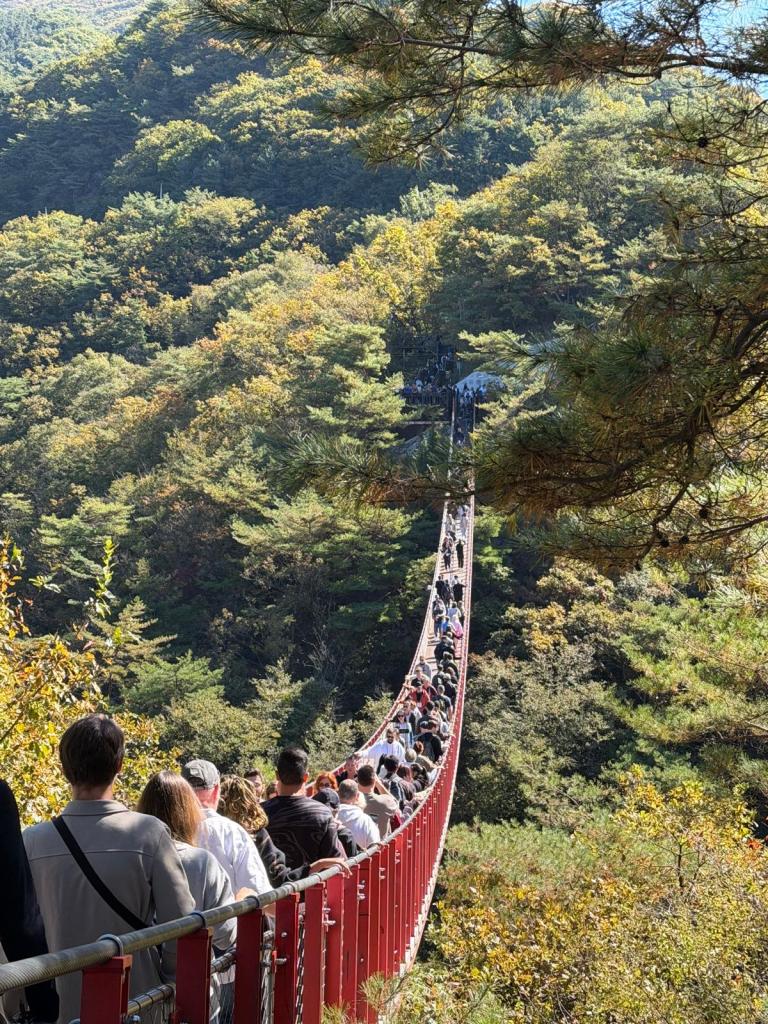
The Gamaskan Suspension Bridge (also known as the Gloucester Heroes Bridge) is a pedestrian suspension bridge located on Mount Gamaksan in Paju. It offers panoramic views of the forested valley and mountain terrain around and was exceptionally busy when we arrived. For tree hugging the walk back down provides a perfect opportunity.
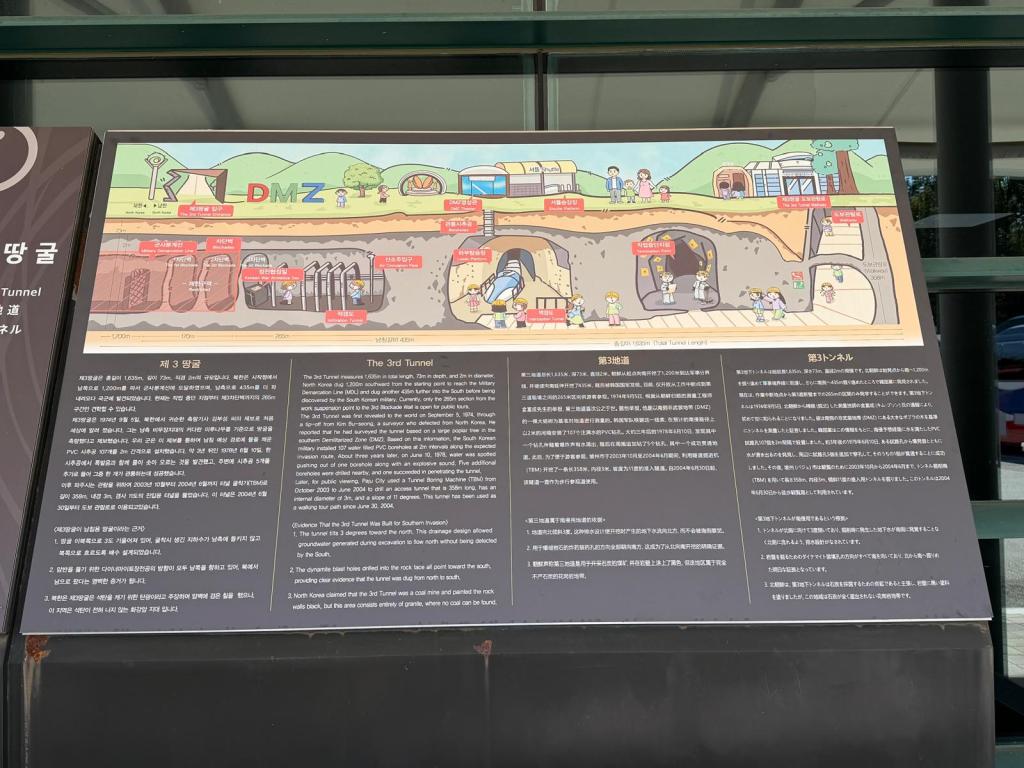
The third tunnel is not only an interesting place but also something of a feat of physical endurance both in terms of aching back from crouching and aching legs from the steep uphill return walk.
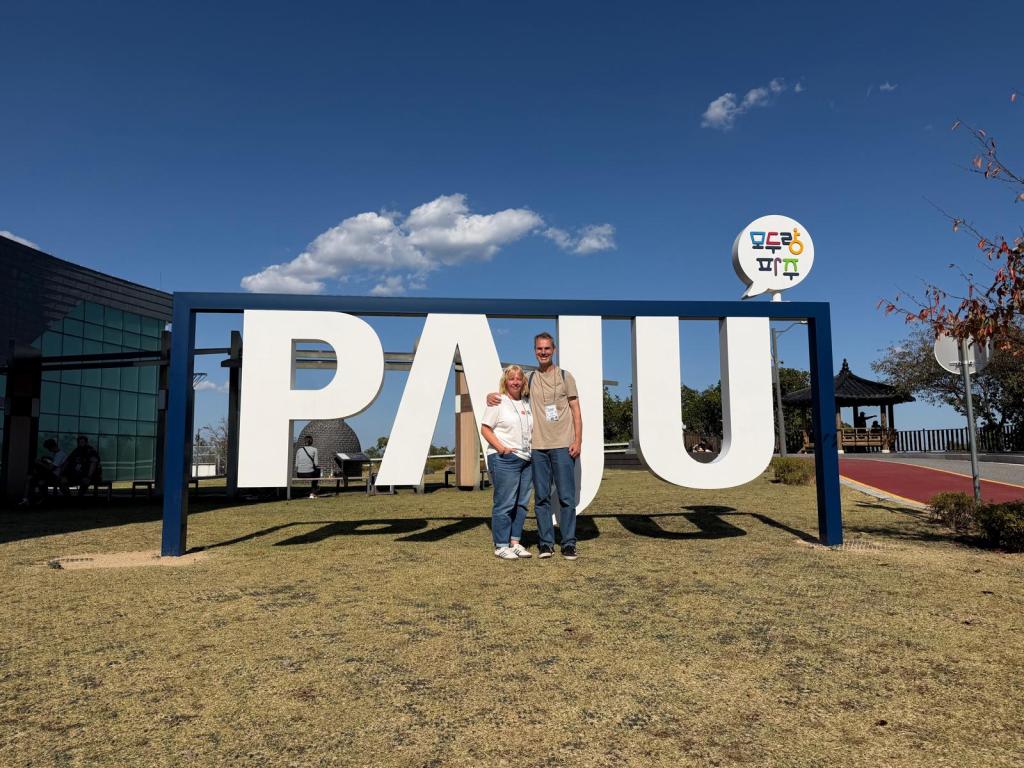
This sign for Paju is the final place you can take a photograph in the DMZ before you go to the viewing platform with telescopes that allow you to see in to North Korea.
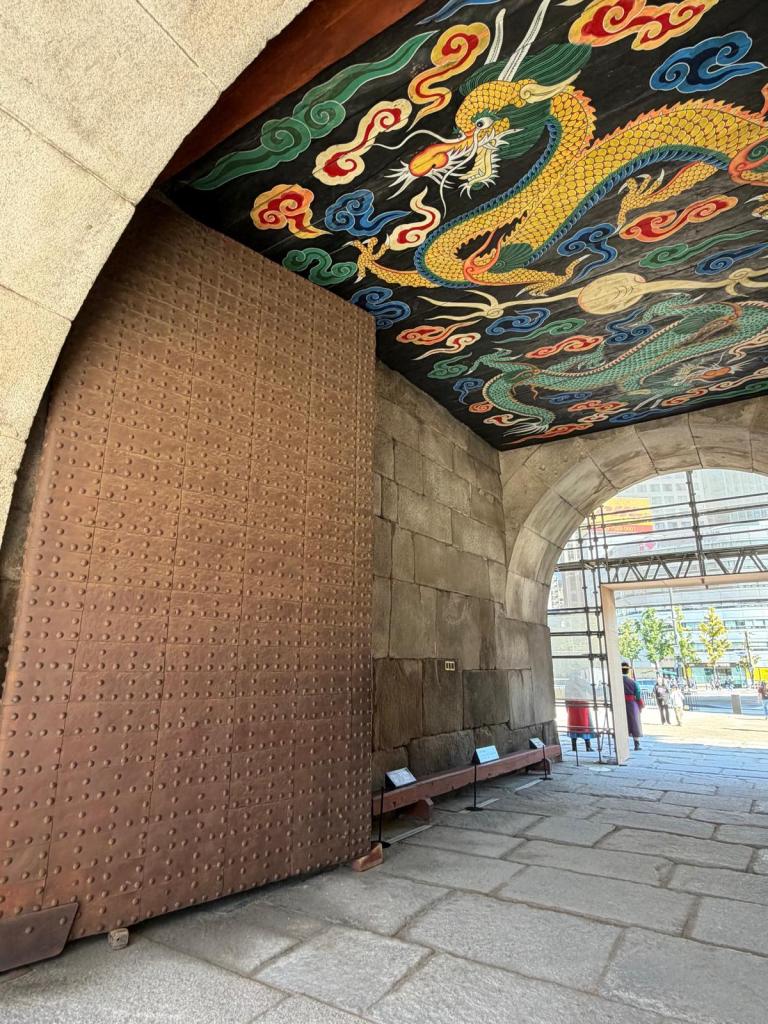
The following day back in Seoul we visited the Seoul Gate close to our hotel. Also known as Namdaemum it is a historic, majestic stone and wood gateway regarded as an iconic national treasure.
Next was the Seoul Tower which is an observation and communication tower on Mount Nasam offering panoramic cityscape views along with numerous romantic love locks.
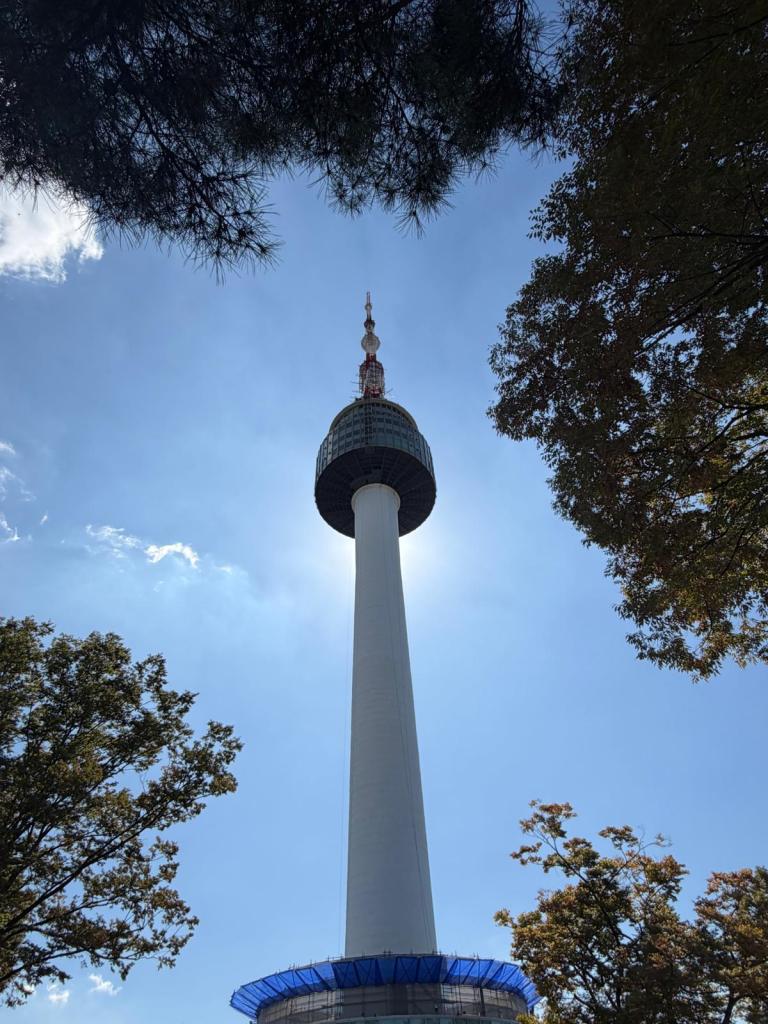
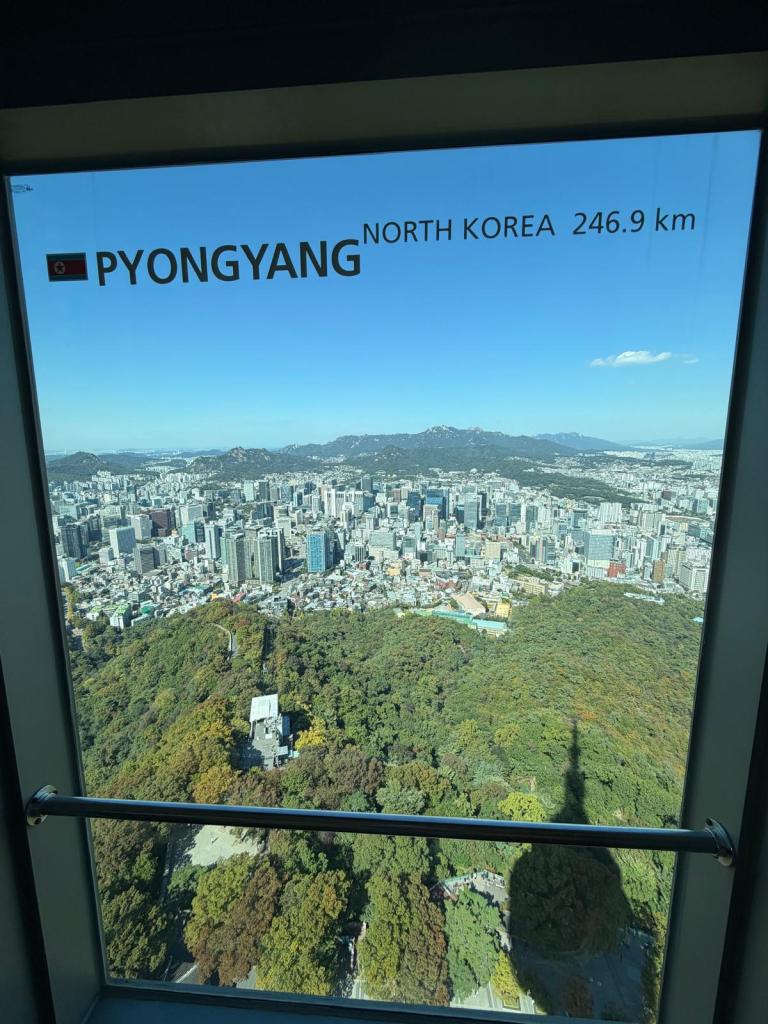
Our favourite view once we reached the top was out towards North Korea, while trying to visualise where we were standing just the day before.
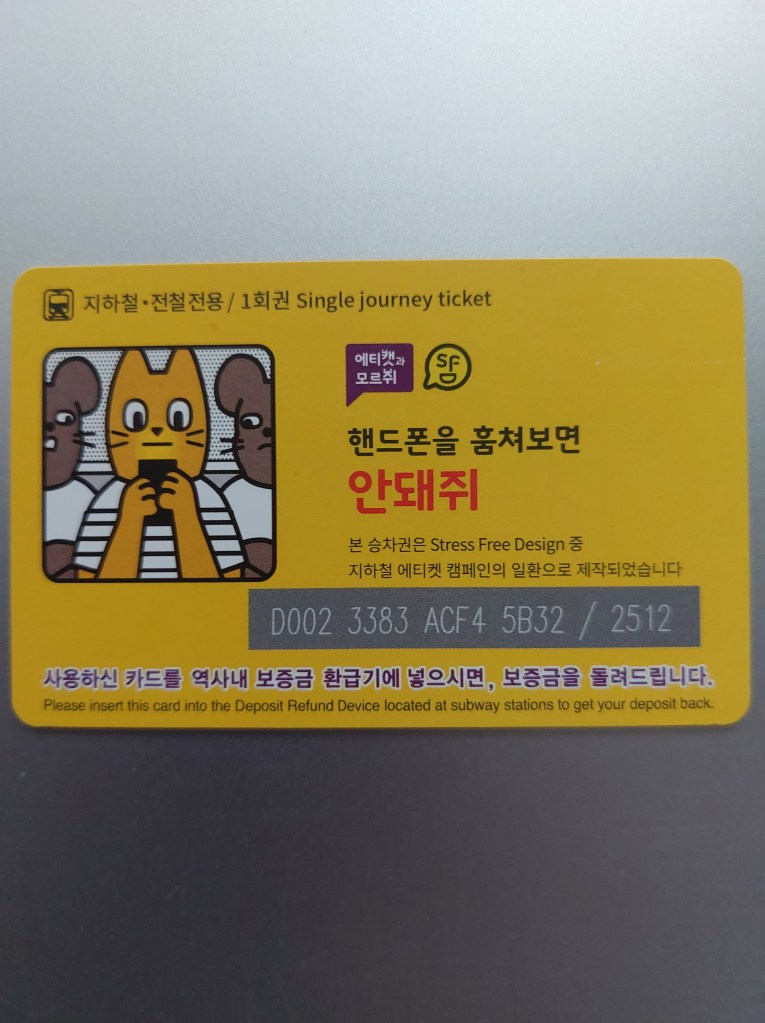
To end the holiday we went on the South Korean underground to visit Gangnam. Unfortunately due to a problem with the ticket that we couldn’t fathom (and resulted in a local helping us to get out the station back in Seoul) we didn’t get to walk round Gangnam itself.
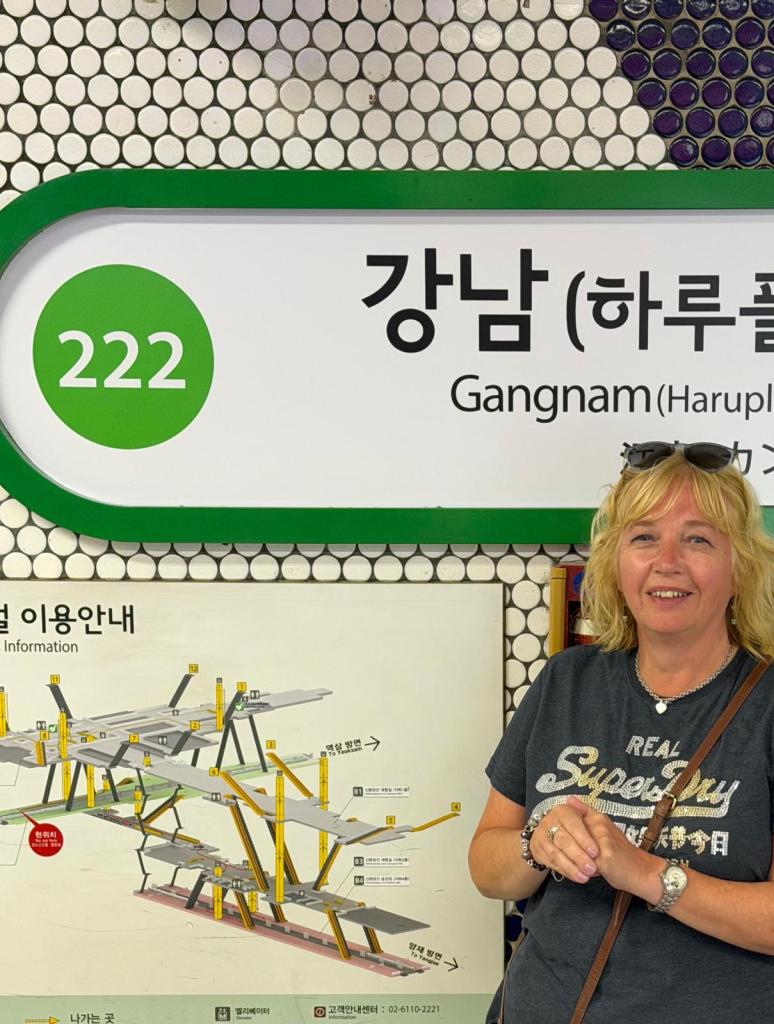
However the ‘money shot’ and main objective of the Gangnam venture was still achieved. An appropriate place for the long journey home to begin and the photo journal to end.
O


Leave a Reply